Ali G Is Back After 20 Years, and Britain Cannot Agree Whether to Laugh or Boycott
Sacha Baron Cohen is reviving Ali G for a 2026 film, and short-form feeds have split into nostalgia, outrage, and a full cinema boycott push. The numbers show which side is winning attention.
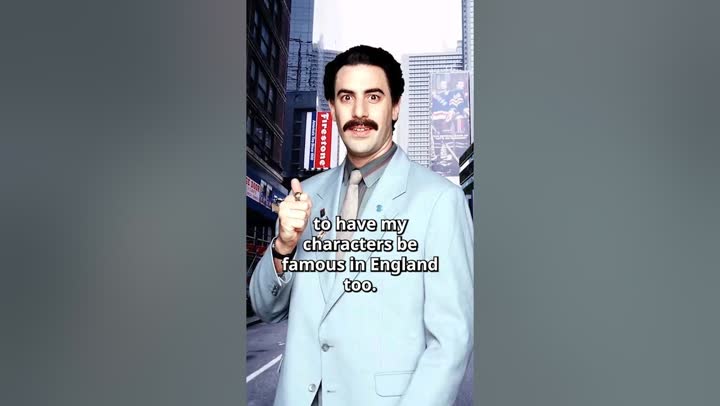

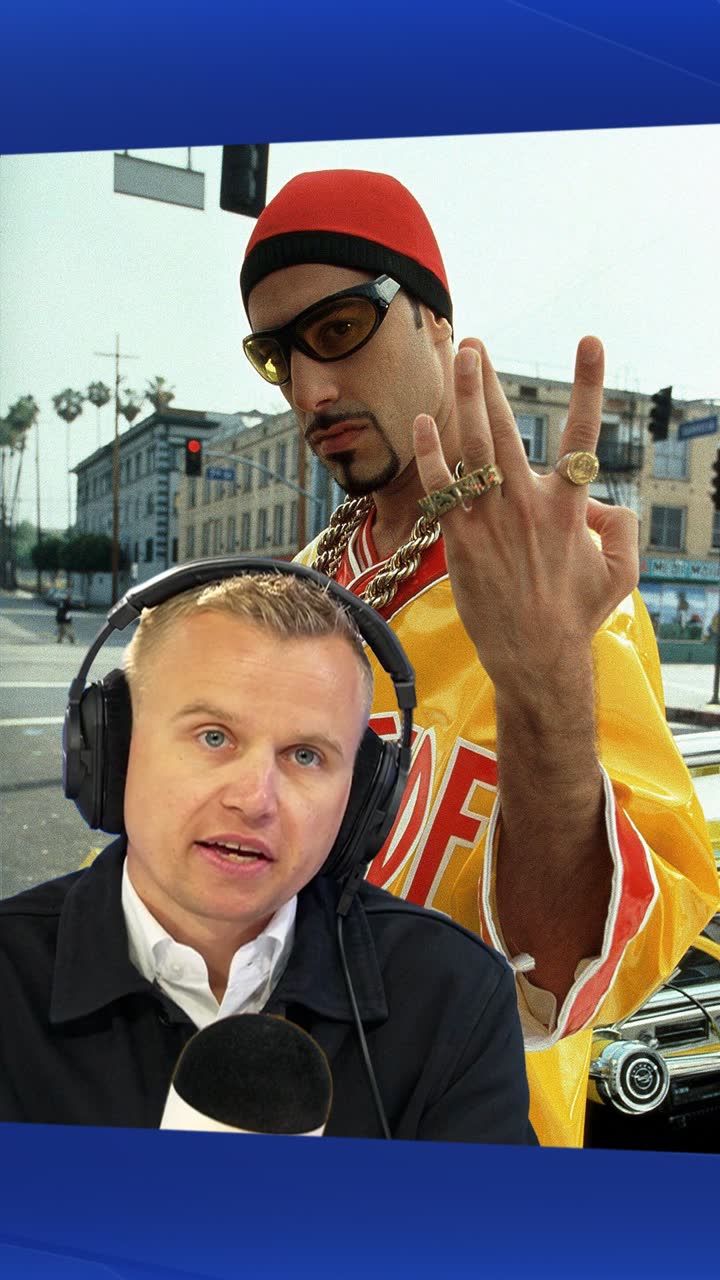
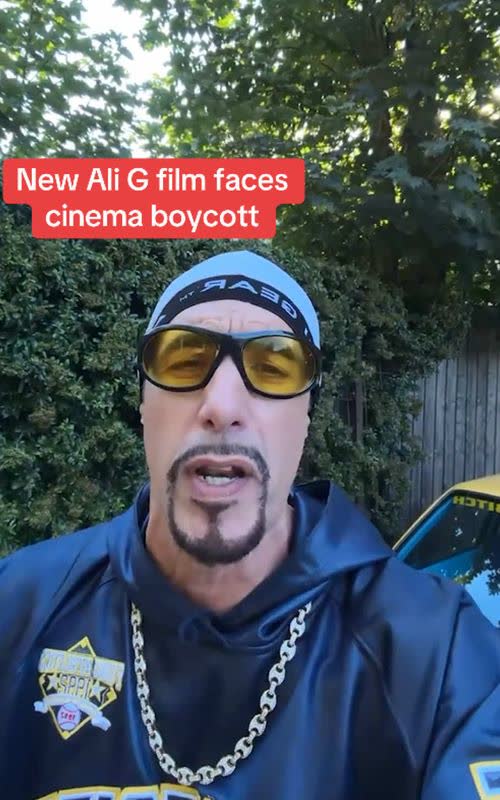
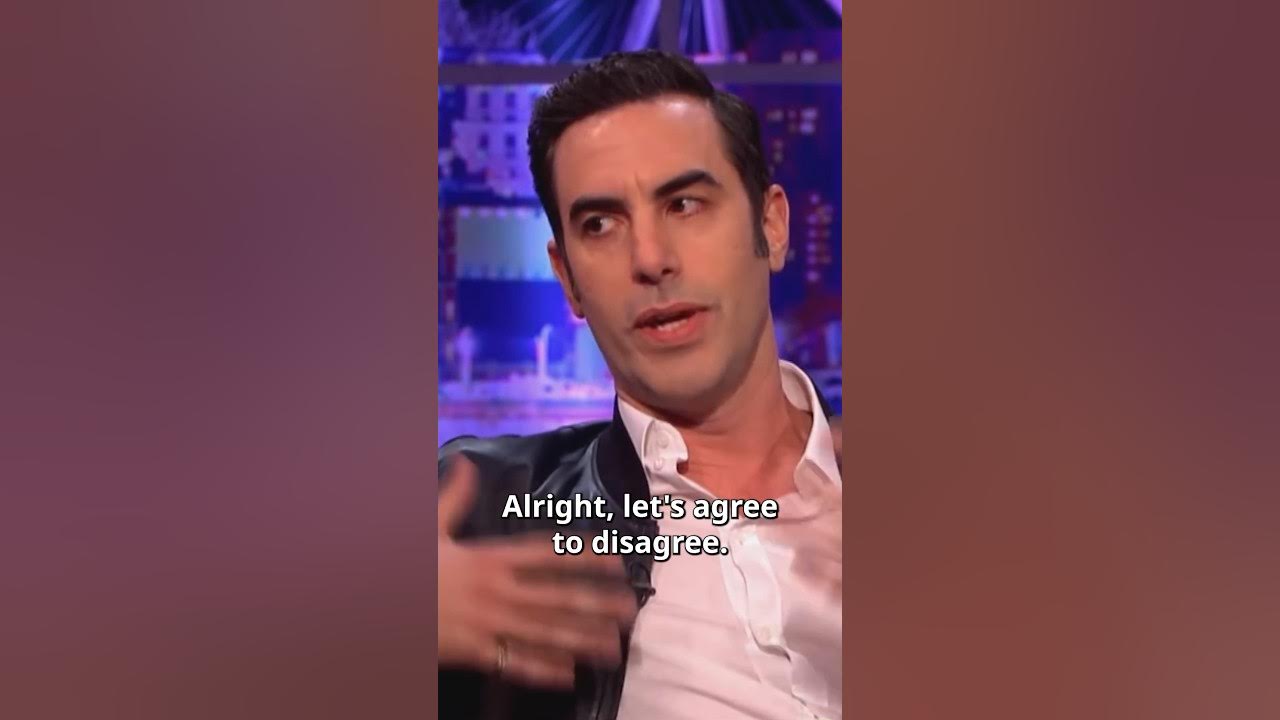
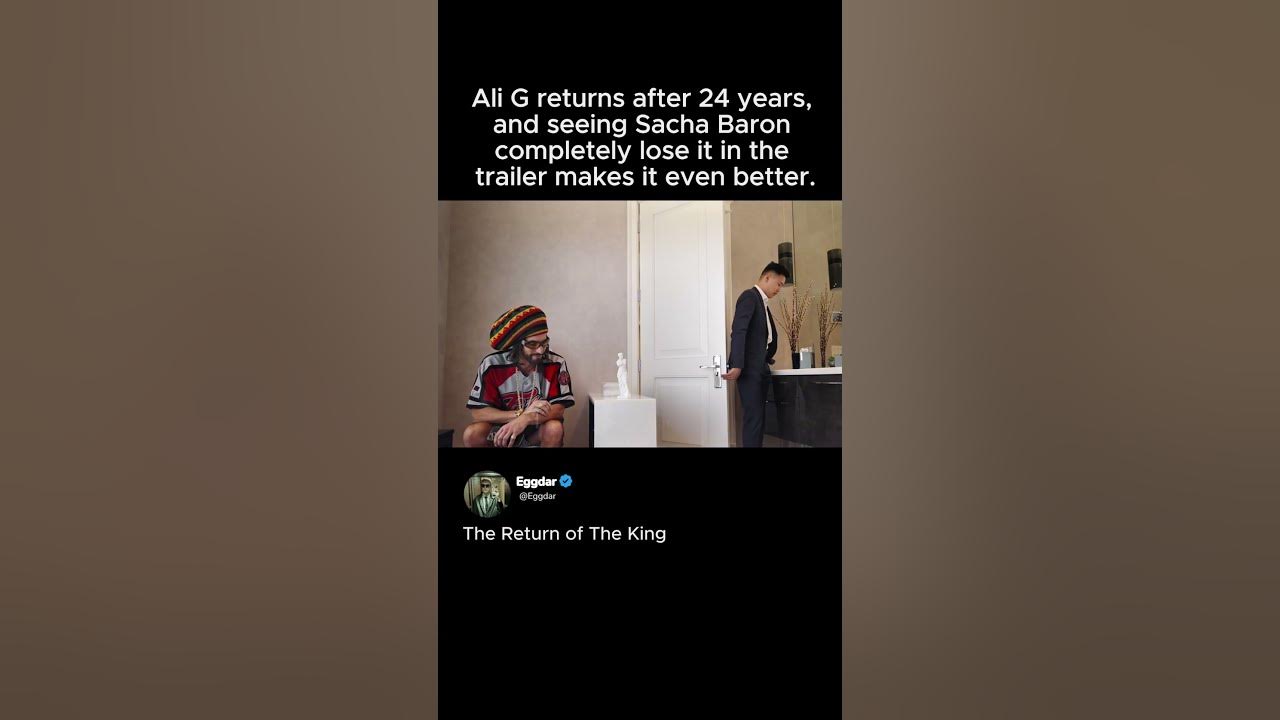
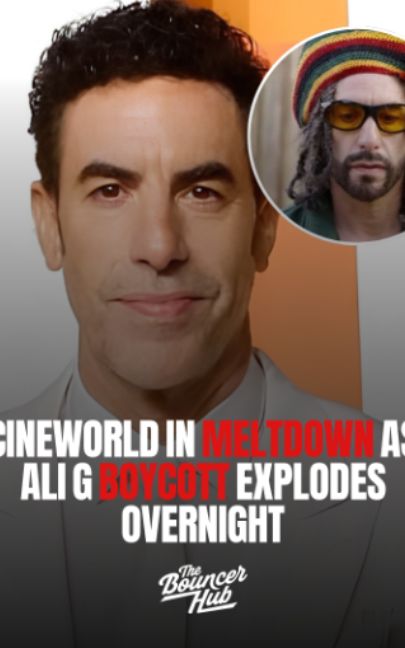
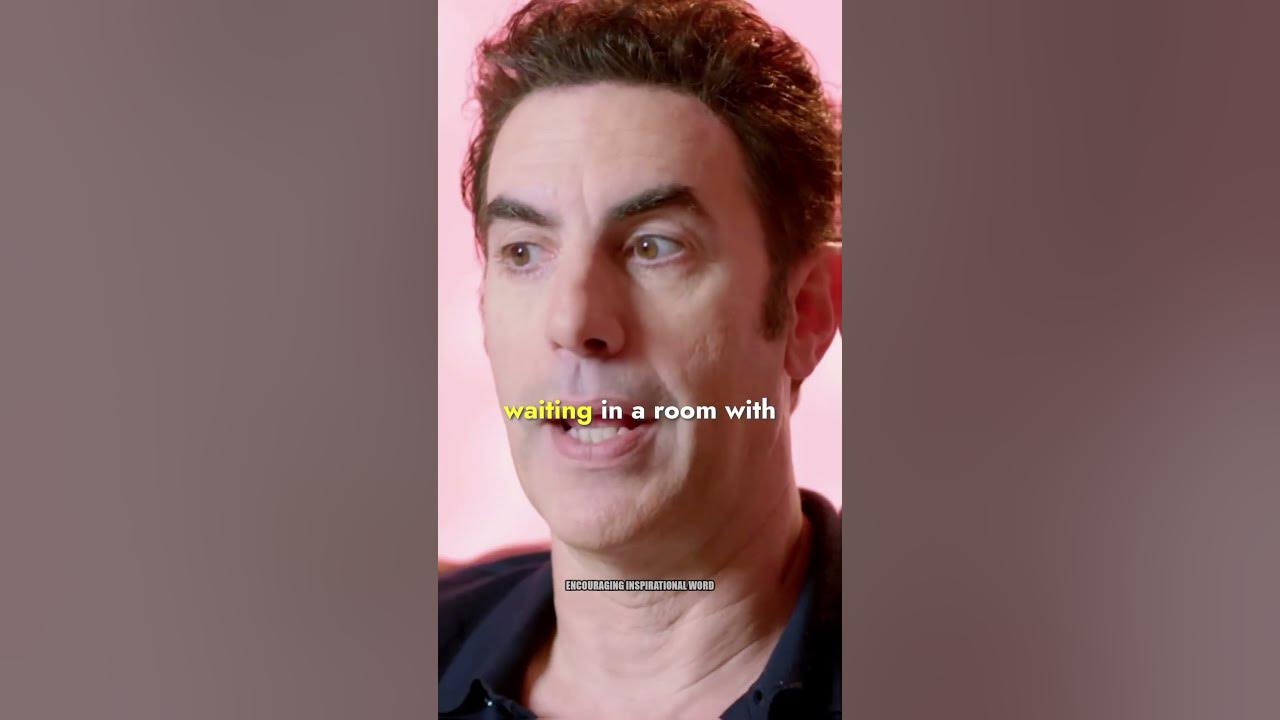
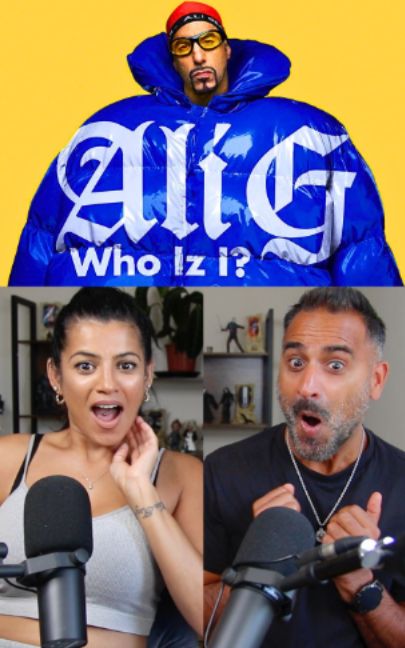
Ali G is coming back, and the internet cannot decide whether that is a gift or a problem.
The character returns in the film "Ali G: Who Iz I?", set for October 23, 2026, after a 20-year hiatus. The trailer landed and the UK immediately fractured into camps: die-hard fans mainlining nostalgia, a younger crowd meeting the character for the first time, and a loud contingent calling the whole thing an outdated, racist relic that should never have been dusted off.
That argument IS the story. And right now it is everywhere.
Nostalgia versus "this hasn't aged well"
The warmest corner of the conversation is pure throwback energy. Resurfaced clips of Ali G ambushing celebrities, needling politicians, and interviewing the Beckhams are pulling people back to a comedy era they clearly still love. This cluster of classic moments is the quiet juggernaut of the trend, racking up 4,499,353 views across 15 videos and posting the highest average virality score of any theme at 0.7064935627436111. Old fans are treating it like a reunion.
But the counter-mood is just as strong. Commentators, talking heads and everyday posters are asking a blunt question: is this character satire, or is it minstrelsy that stopped being funny? Videos leaning into the "is Ali G racist?" framing, complete with terms like cultural appropriation, have gathered 774,157 views across 12 videos. Writer Afua Hirsch has voiced concern that the humour simply is not acceptable in today's climate, and that unease is the emotional engine underneath the debate.
The celebrity layer is pouring fuel on it. Names like Maya Jama, Stormzy and Idris Elba weighing in have turned into their own micro-genre, with creators quoting lines like Maya Jama calling it "a bit dated" and presenting them as breaking news. That commentary cluster sits at 545,307 views across 9 videos, proof that people want to know exactly where their favourite public figures land.
The boycott is where it gets serious
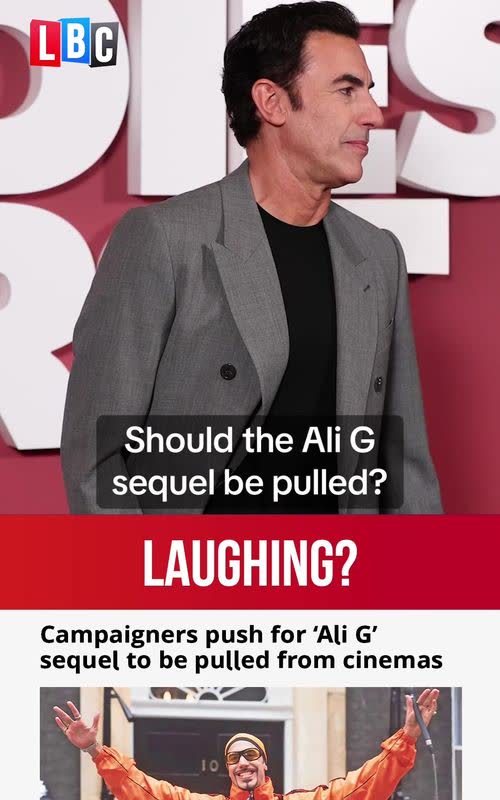
The sharpest edge of the backlash is organised. A campaign is urging UK cinemas, including Picturehouse, to refuse to screen the film. This is not idle grumbling: the boycott theme has pulled 2,585,868 views across 10 videos, stacking up 160,264 likes, 16,811 comments and 12,499 shares. That comment count tells you everything. People are not just watching, they are fighting in the replies.
Mainstream outlets are riding that wave hard. A The Sun clip on the controversy hit 1,212,769 views, and their boycott coverage alone accounts for 1,465,521 views across two videos. LBC is right there too, with a verified Instagram reel at 1,333,270 views and a TikTok cut at 799,262 views. GB News is feeding the outrage-and-defence machine from the other direction.
Yet for all the boycott heat, anticipation is still the biggest force in the room. The trailer reaction cluster ranks number one, hoovering up 12,527,250 views across 14 videos and 481,196 likes. The character's own official account, official.ali.g, drove 7,693,547 views off just two posts to its 519,835 followers. The single biggest outlier of the whole trend is a YouTube short at 3,335,285 views, with another at 1,579,911 close behind. People are curious, whatever their politics.
How we know
A Virlo content research agent collected and analysed real videos across TikTok, Instagram and YouTube on this topic, clustering 186 videos into five micro-trends and surfacing the outliers that far outperformed their creators' usual reach. Momentum is currently rising at 188,233 views per hour, with engagement peaking through the afternoon and early evening.
The desk's take
Controversy is not slowing this film down, it is marketing it. The boycott push and the nostalgia wave are feeding the same algorithm, and every angry comment is another data point telling platforms to serve more Ali G. Expect the noise to get louder as October 23, 2026 approaches, and expect the box office, not the discourse, to have the final word.

Co-Founder of Virlo
Jaife Esienna is a co-founder of Virlo, where he helps ecommerce brands, GTM teams, and marketing agencies turn viral short-form video data into seven-figure content strategies. He writes about short-form video, content strategy, and the data behind what actually goes viral.