The Six Flags Georgia Tragedy Is Being Live-Processed by Millions, and the Feed Can't Agree on How
A man fell to his death from the Goliath coaster. Now the real argument is about what we're supposed to do with the footage.
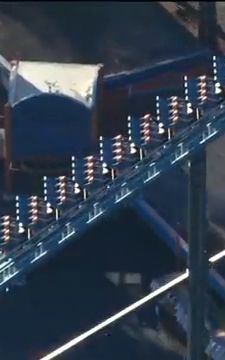
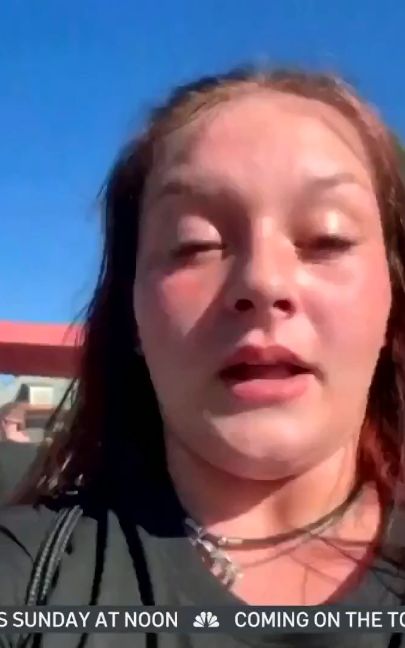
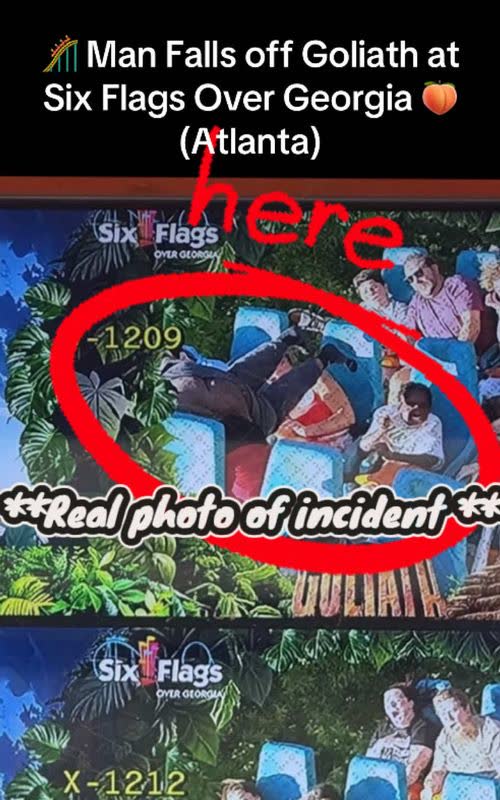
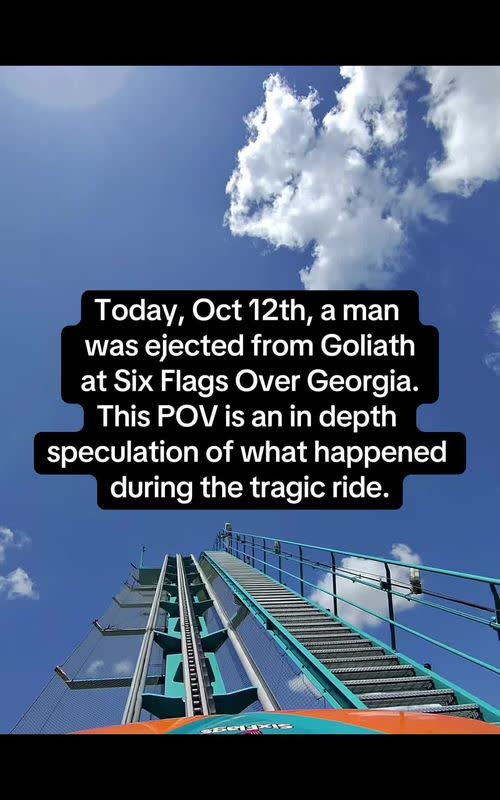
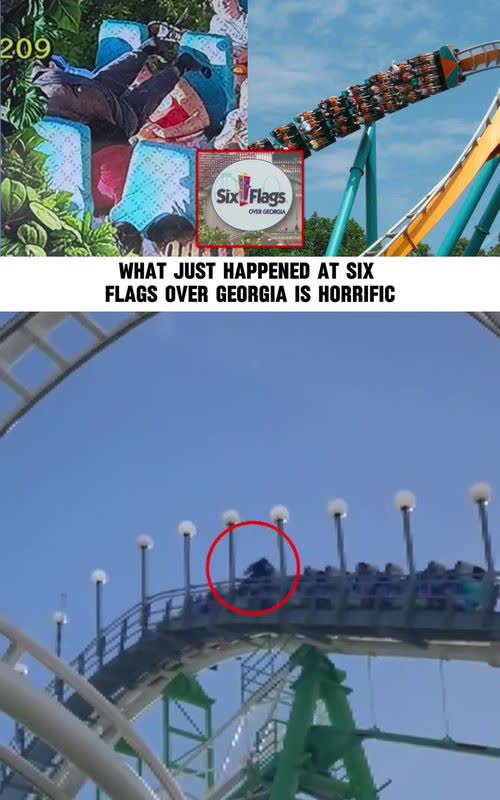
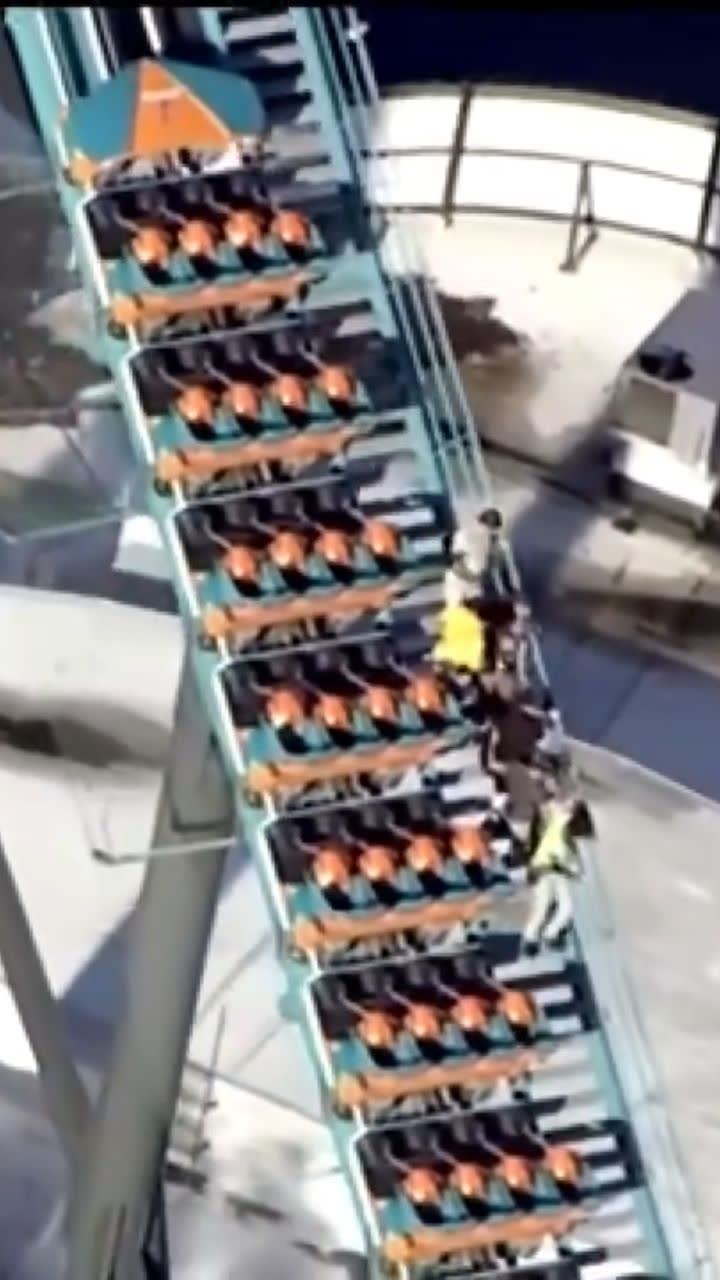

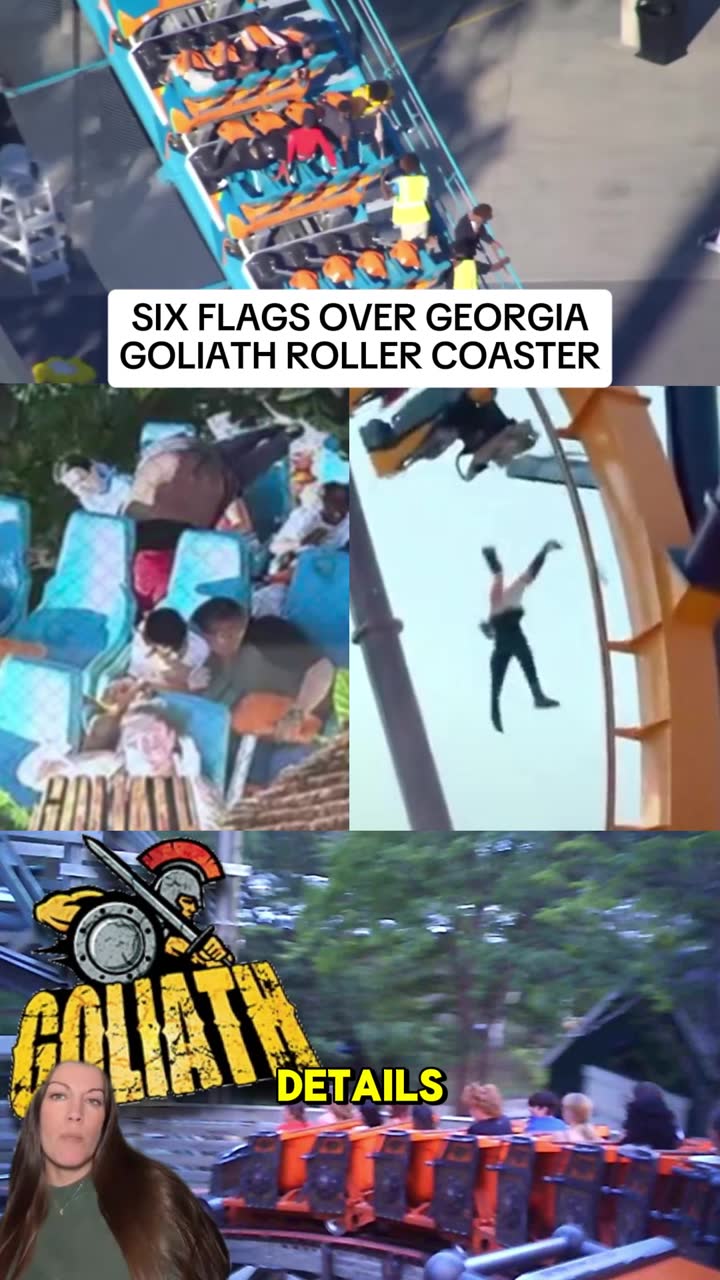
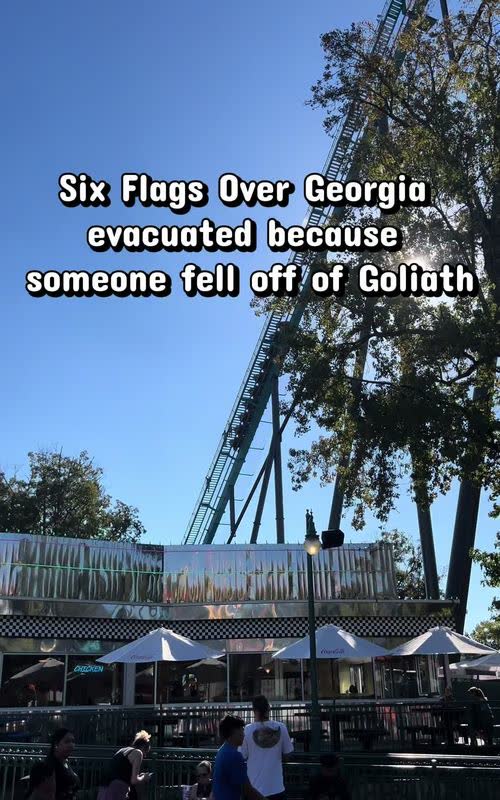
A roller coaster is supposed to be the safest kind of scary. That is the whole deal: you scream, your stomach drops, and then you walk off laughing. On October 12, 2026, that contract broke in public, and the internet has not stopped talking about it since.
Hassan Jihad Ibn Kariem, a 42-year-old teacher from Atlanta, fell to his death from the Goliath roller coaster at Six Flags Over Georgia, with four others injured. What happened next is the actual story: a tragedy got pulled into the content machine and the feed splintered into camps about what any of us should be posting, watching, or feeling.
Grief, Shock, and a Fight Over the Footage
The loudest mood is raw horror mixed with a very modern discomfort. People want to understand what happened. They also feel gross about how badly they want to look.
That tension is the whole trend. On one side you have genuine mourning: simple "RIP" captions laid over pre-incident ride footage, short clips naming the exact ride so it feels specific and real, emotional reflections asking people to pray for the family. On the other, you have creators leaning hard into shock value, quoting alleged eyewitnesses with graphic details and reacting to screenshots to squeeze the horror for reach.
The desk-level read from the analysis says it plainly: there is an "urgent human need to process tragedy, whether through raw emotional sharing, factual reporting, or analytical speculation, all amplified by social media's immediate reach." Translation: everyone is grieving in public and nobody agrees on the etiquette.
Then there is the anger. Some videos directly call out the park with "shame shame" energy, turning sorrow into accountability. Others ask the quieter, scarier question underneath all of it: if this ride wasn't safe, which one is?
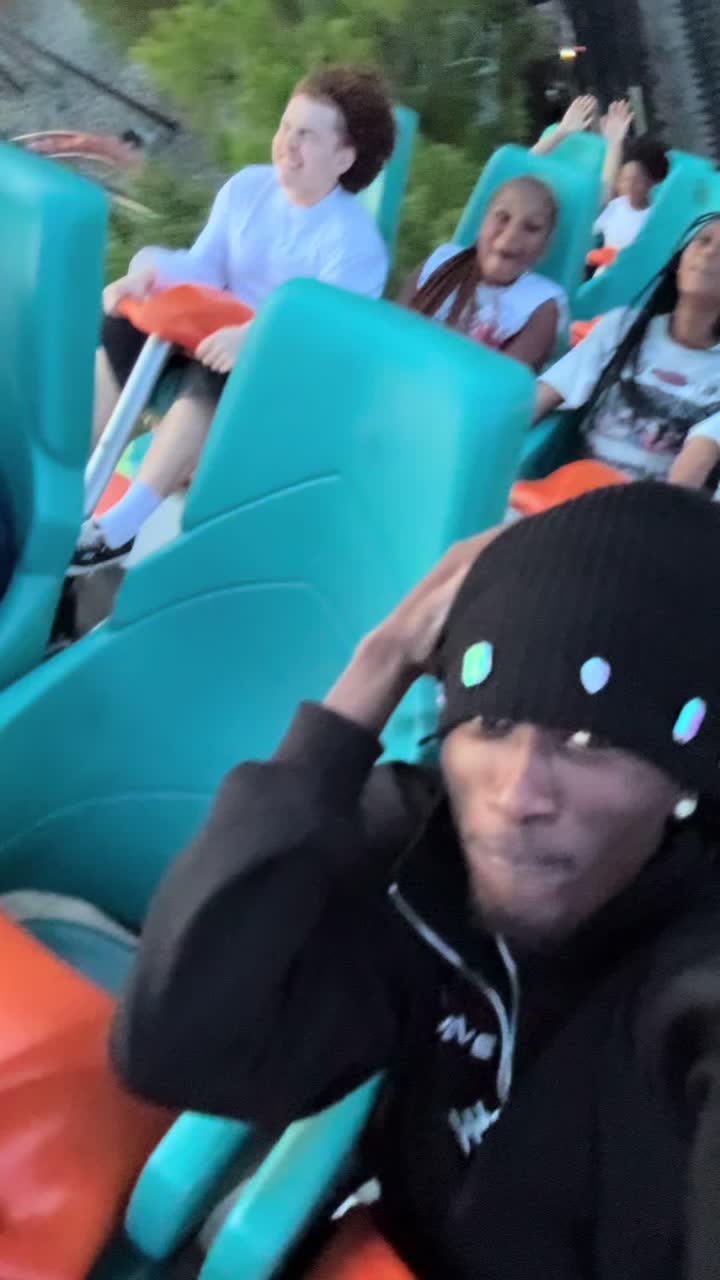
That fear is why the safety nerds have become unlikely grief counselors. A wave of creators pulled up POV footage of Goliath to explain restraint mechanics and float theories about what could have failed. It is morbid, but it is also how a lot of people calm themselves down: if there's an explanation, there's a reason it won't happen to them.
The Numbers Behind the Noise
This didn't trickle. It flooded. The cluster spans 168 exemplar videos, with 125 fresh posts in a single day and a velocity median of 85,559 views per video. A Virlo content research agent analyzed 240 videos across platforms for this topic.
The single biggest outlier is a news clip from abc7la that pulled 7,924,925 views, far ahead of the pack. Behind it, an nbcchicago post hit 3,869,767, and an everyday creator account, sircrockpotshot, landed 2,204,359 on an eyewitness-style reaction.
The most telling cluster is "Eyewitness Accounts & Raw Reactions," ranked number one with the highest confidence at 0.95. Those 14 videos stacked up 15,427,341 views, 495,809 likes, and 109,978 shares. Note who's winning inside it: a creator named mistithorpe, with just 8,565 followers, posted a clip that drew 2,719,459 views. That is the outlier signature, a small account briefly out-reaching the nationals.
"Official News Updates & Summaries" ranked second, also 14 videos, with 12,504,455 views and the highest average virality in the set at 0.8372548425911945. People wanted verified facts, fast.
The quietly huge one is "Broader Six Flags Incidents & Closures." Only 6 videos, but 25,949,393 views and 390,496 shares, powered largely by CNN posting three clips for 16,877,844 views. Connecting this death to other incidents is what turned one tragedy into a national safety panic.
Meanwhile, "Ride Safety Speculation & Analysis" logged 7 videos and 4,031,681 views, proof that explaining the physics is its own coping mechanism.
How We Know This
A Virlo content research agent collected and analyzed real videos across TikTok, Instagram and YouTube for this topic, clustered them into micro-trends, and surfaced the outliers, meaning posts pulling far more reach than their creators usually get. Every figure here comes from that dataset.
The Desk's Take
This is the clearest look yet at how a death becomes a feed event in real time, and the discomfort people feel about it is the healthiest sign in the whole trend. Expect the safety angle to outlast the shock angle, because "could this happen to me" has a longer shelf life than horror. The real test is whether the grief or the graphic content wins the algorithm, and right now that race is uncomfortably close.
Share this story
A ready-made post with the headline and the Virlo data, for any app.
Co-Founder of Virlo
Jaife Esienna is a co-founder of Virlo, where he helps ecommerce brands, GTM teams, and marketing agencies turn viral short-form video data into seven-figure content strategies. He writes about short-form video, content strategy, and the data behind what actually goes viral.