Indonesia Just Cut Gas to Singapore and the Explainer Videos Are Blowing Up
A regional energy move turned into a short-form spectacle, with creators racing to decode what it means for the lights, the bills, and the region.
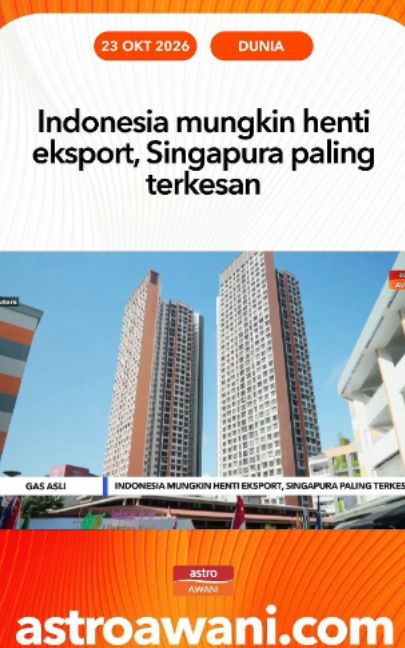
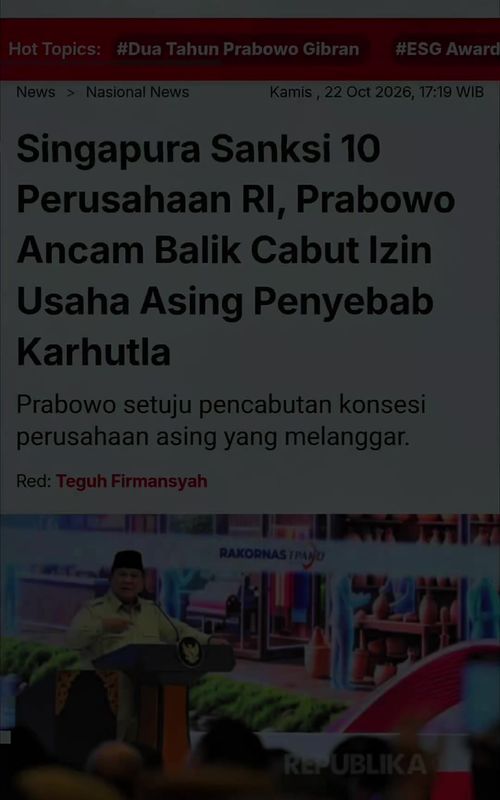

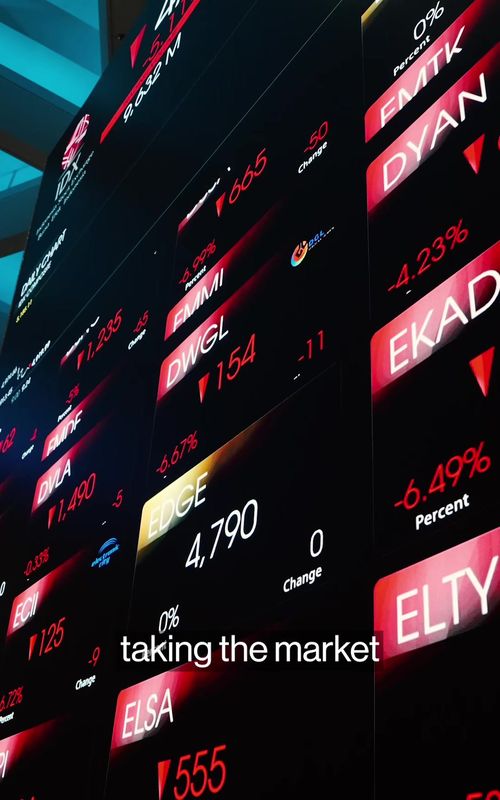


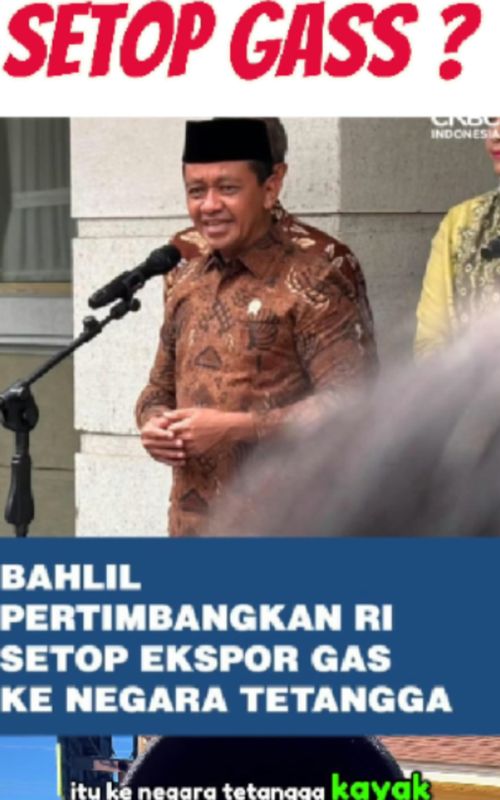
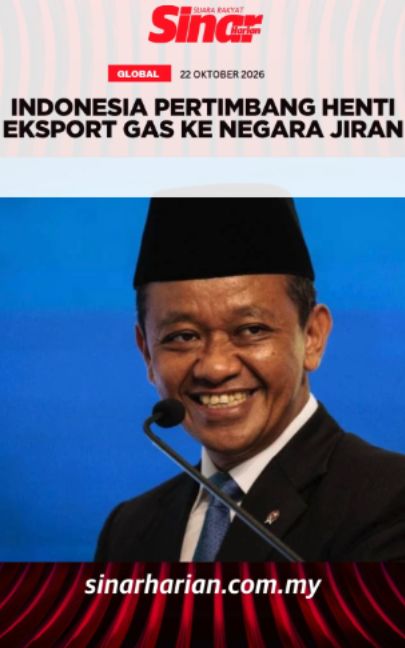
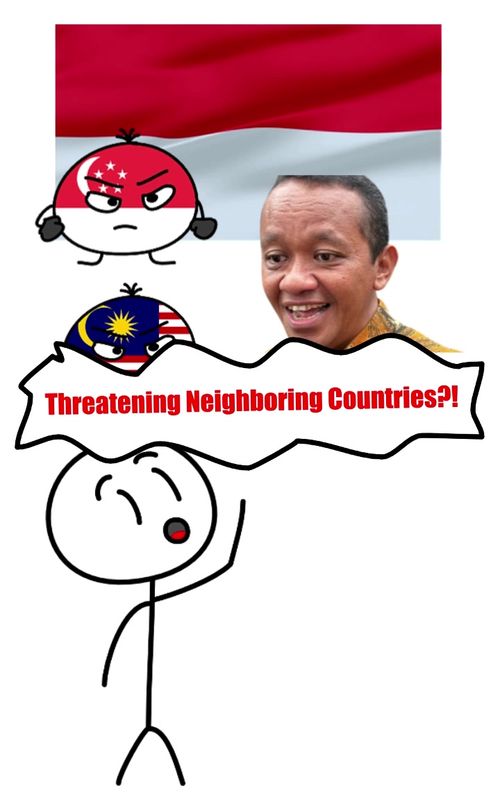
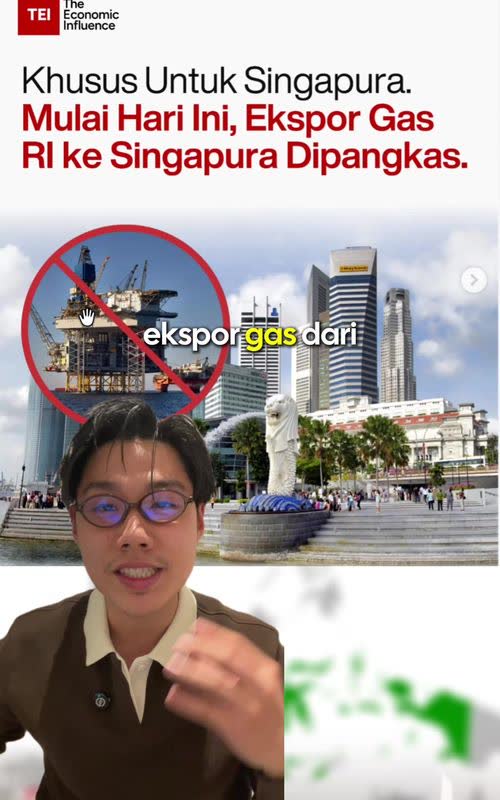
A quiet line in an energy regulator's statement became the most-watched thing on your feed this week. On October 24, 2026, Indonesia officially reduced its natural gas exports to Singapore by 31 million standard cubic feet per day, and the internet did not stay quiet about it.
The breakdown itself reads like a headline: 15 million from Natuna and 16 million from Sumatra, pulled back so Indonesia can prioritize its own electricity needs amid rising local demand. The announcement came from Djoko Siswanto, head of Indonesia's upstream oil and gas regulator SKK Migas.
What happened next is the actual story. People did not scroll past. They leaned in, argued, explained, and panicked a little.
The mood: curiosity with an edge of anxiety
The sentiment running through these videos is a mix of two things. One, genuine fascination with how energy actually flows between neighbours. Two, a low hum of worry about what a supply cut means for ordinary people on both sides of the border.
You can feel it in how the content is framed. Creators are not just reporting the cut, they are decoding it. The breakout format is the geopolitical energy explainer, the kind that takes a phrase like "shutting in production" and makes it make sense to someone who has never read an energy report in their life.
That instinct to translate is the real engine here. People do not want a press release. They want someone to sit them down and explain why a number in a regulator's statement might touch their daily life.
The winning approach leans on clarity: define the jargon, point to authoritative bodies, and connect a local decision to the bigger regional picture. The tactic that keeps surfacing is the "what happens when" hook, the one that treats a dry process like a mystery worth solving. It works because breaking down a term like shutting in production satisfies curiosity and makes the creator feel like someone who actually knows.
There is also a lighter current underneath. Some of the most-watched clips do not even lead with policy. They lead with relatable scenarios, the everyday framing that sneaks a heavy topic past your defences. One standout clip landed by tying the whole thing to something as mundane as a physics assignment. That blend of serious subject and human angle is exactly why this topic refused to stay in the business section.
The numbers behind the noise
The reach here is not small. The top clip, from TikTok creator @501awani, pulled 1,064,228 views. Right behind it, @xyzbac354 landed 903,064 views, and @rivelinowardhana hit 752,009 views.
The big names showed up too. Bloomberg posted a clip that reached 704,397 views, proof that even established business media is riding the same wave of curiosity as independent creators.
The spread keeps going: @justtgabrielreyandcw with 615,546 views, @1m65premiummall with 574,155 views, and @pangeran_manurung2026 with 476,827 views. @sinarharianonline landed 474,811 views on the news-desk side.
Across the board, Virlo's radar logged 73 exemplar videos on this topic, with 40 videos moving today and a velocity median of 80,368 views. In a feed built for dance clips and food hacks, an energy-policy story clearing those numbers is the outlier.
The explainer micro-trend itself sits at rank one, tagged as new, with a confidence score of 0.9. One evidence clip for that format came from YouTube creator @MarkRoach-FutureWiseEnergy, whose detailed breakdowns of oil shut-ins show exactly how the educational angle earns attention.
How we know
A Virlo content research agent collected and analysed real videos across TikTok, Instagram and YouTube on this topic, clustered them into micro-trends, and surfaced the outliers, the posts far outperforming their creators' usual reach. The figures here come straight from that pull.
The desk's read
This is the template for how niche policy goes mainstream now: a dry announcement, a creator who can translate it, and an audience hungry to feel informed in sixty seconds. Expect more energy and infrastructure stories to get the explainer treatment, because the appetite is clearly there. The cut was 31 million standard cubic feet per day. The attention it generated was a lot bigger.
Share this story
A ready-made post with the headline and the Virlo data, for any app.

Co-Founder of Virlo
Nic Mauro is one of the co-founders of Virlo. Based in NYC, he's an active entrepreneur and investor who writes about what is breaking out across short-form video and why it matters.