Make Money Online Isn't the Flex It Used to Be, and the Data Shows a Feed Getting Honest
Half the feed is still selling passive income and AI riches. The other half is quietly telling you the truth about it. Here is the real sentiment, with the receipts.
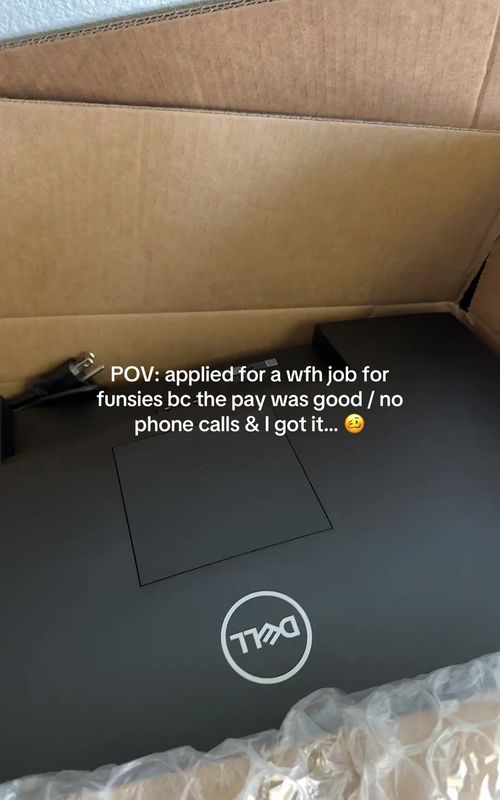
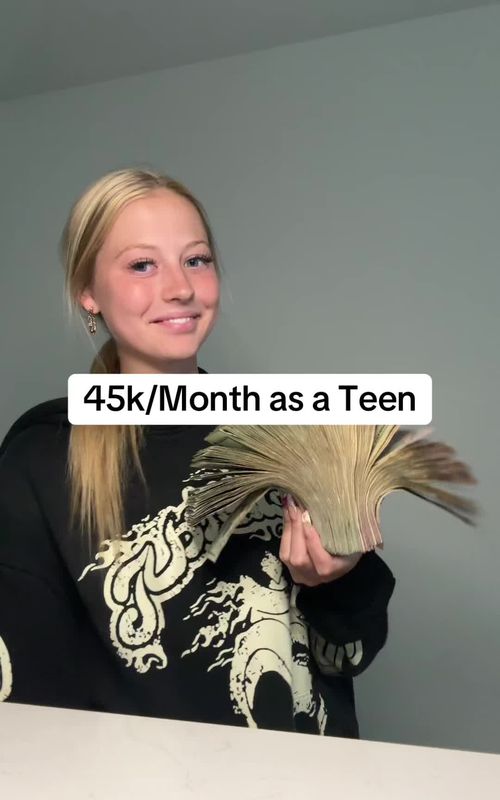
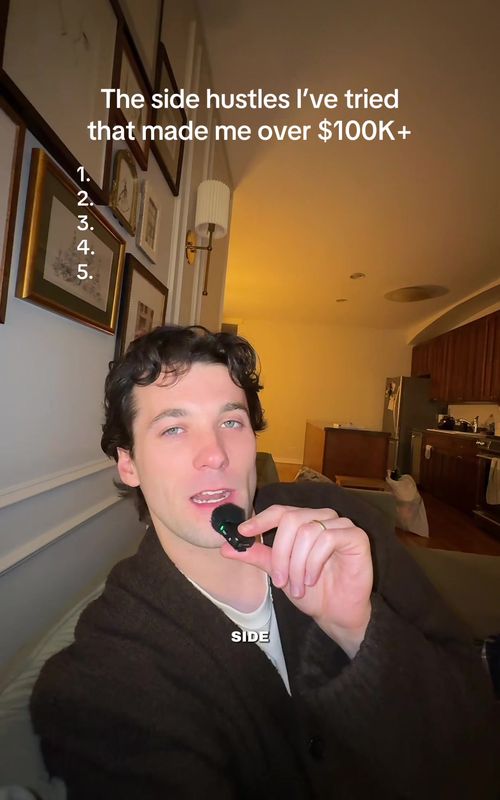
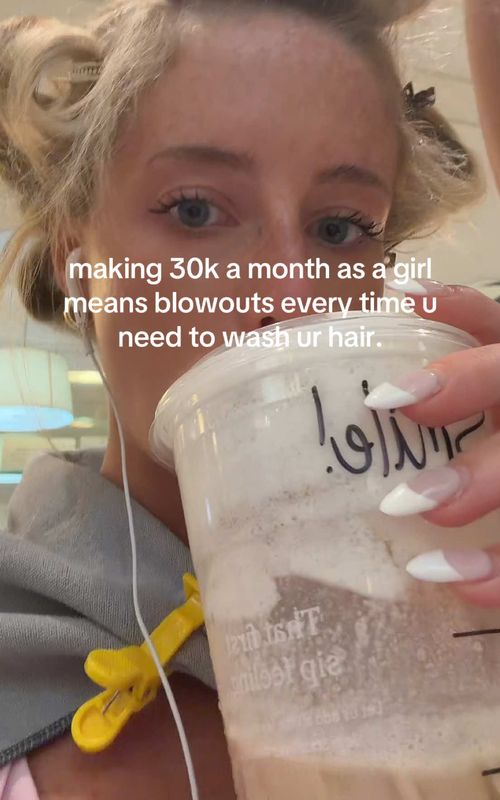
Open the make money online side of TikTok and you get two completely different videos back to back. The first one is a dream: passive income while you sleep, an AI tool that prints cash, a side hustle that quit someone's nine to five. The second one is a confession: a year of not working, the loneliness of the home office, a warning about the exact scam the first video was quietly selling. That whiplash is the whole story right now. The make-money genre is splitting in two, and the honest half is winning the room.
Two feeds fighting for the same For You page
On one side is the aspiration engine, and it is enormous. People are ranking side-hustle apps, demoing AI tools that supposedly build a business for you overnight, walking through dropshipping stores, and flashing reseller income like a scoreboard. On the other side is a growing counter-current of honesty: creators debunking the passive-income fantasy, joking through work-from-home burnout, and openly flagging the scams that circle this whole niche. The mood is not just "get rich". It is "get rich, but here is what nobody told you", and that second clause is getting louder.
The receipts back the vibe
This is where the data stops being background and becomes the evidence. Virlo's radar logged 736 videos in this conversation pulling 143.8 million views, almost entirely on TikTok, and flagged an unusually high 105 of them as outliers, clips beating their creators' normal reach. That number matters: it means this is a genre where overperformance is the norm, not the exception. People do not scroll past money content, they stop.
The dream still pulls the biggest crowds. The single largest theme is diverse side hustles and passive income at 27.8 million views, with AI-powered income right behind at 16.4 million. But the very next theme, sitting third at 15.4 million views, is not a pitch at all. It is work-from-home reality checks: the burnout, the isolation, the myth-busting. The honesty is not a fringe reaction to the hype. It is one of the three biggest things in the entire niche.
The tell: honesty is outperforming the flex
The clearest signal is in which clips actually go viral rather than just rack up views. The single most-viewed video in the set is a passive-income flex, someone pointing out they "made 100 dollars just sitting here", at 7.2 million views. But the videos that overperformed hardest against their own creators' reach are the relatable, unpolished ones. The top outlier in the whole set is a creator dryly noting that after more than a year of not working, at least there is no commute. The dream gets the views. The honesty gets the virality, and virality is what the algorithm actually multiplies.
What it means for anyone making this content
The audience has not stopped wanting the dream, they have started demanding proof alongside it. The stuff that travels now comes with real numbers, a reseller showing an actual monthly figure, a UGC creator posting a transparent income breakdown, or a blunt warning about which side hustles are a trap. Polished promises are the floor. Receipts and honesty are what get rewarded.
How we know
None of this is a hunch. A Virlo content research agent collected and analysed real videos across TikTok, Reels and YouTube Shorts for the make money online conversation, clustered them into 22 distinct micro-trends, and surfaced the outliers beating their creators' usual reach. Everything above is what the feed actually served and how hard people actually watched it.
Where this goes next
The desk's read: watch the reality-check and scam-prevention lanes. When a hype genre starts policing itself in public, that is the sound of it maturing. The dream is still on the timeline, but the audience has quietly decided it only trusts the people willing to show the receipts.