The Lindsay Clancy Mistrial Broke the Internet's Brain: Grief, Rage and Body Language Reads Are Everywhere
A third hung jury turned a courtroom into a battleground of feeds, where empathy for postpartum psychosis and fury over three dead children are colliding at scale.
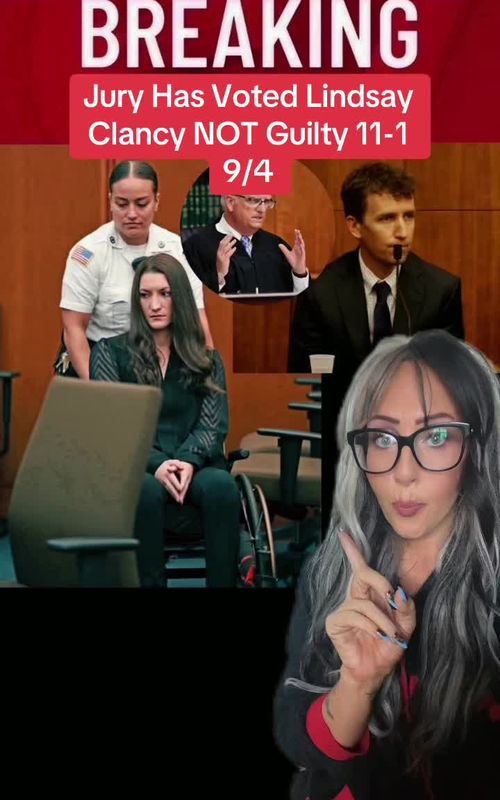
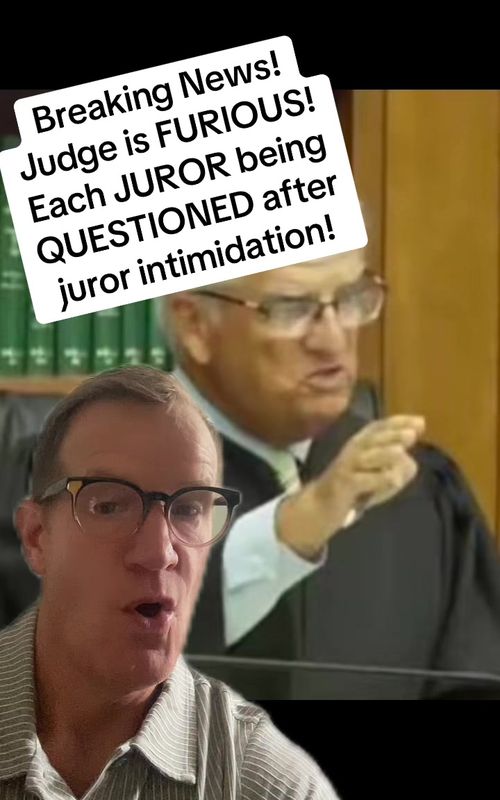


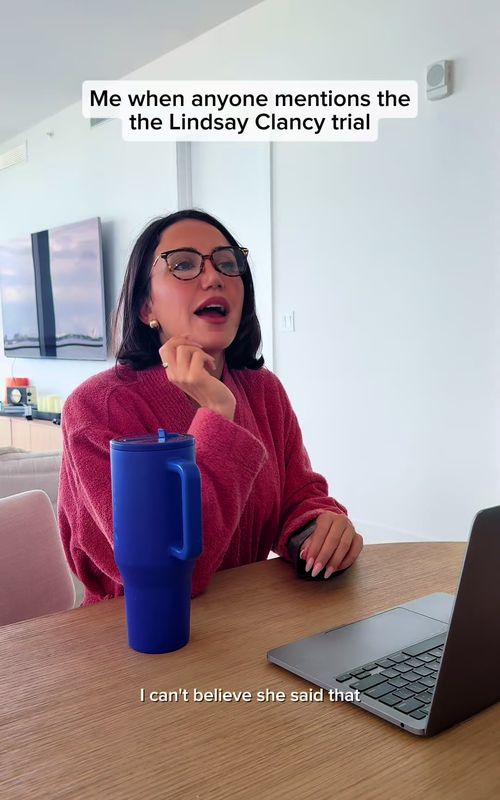
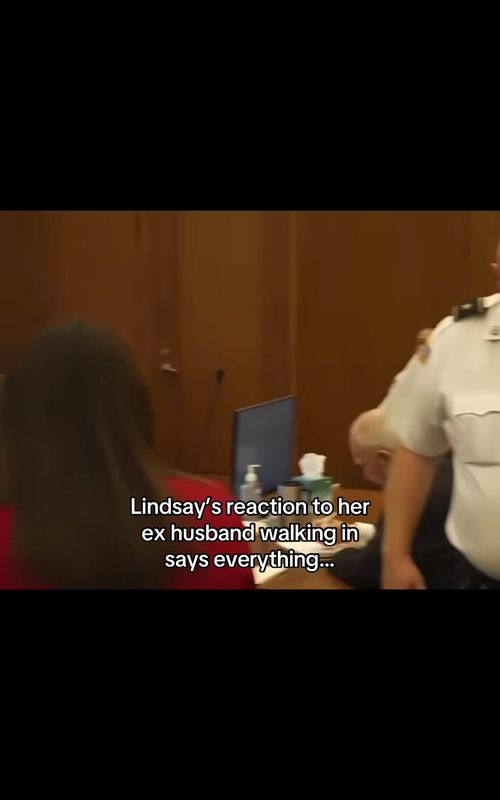
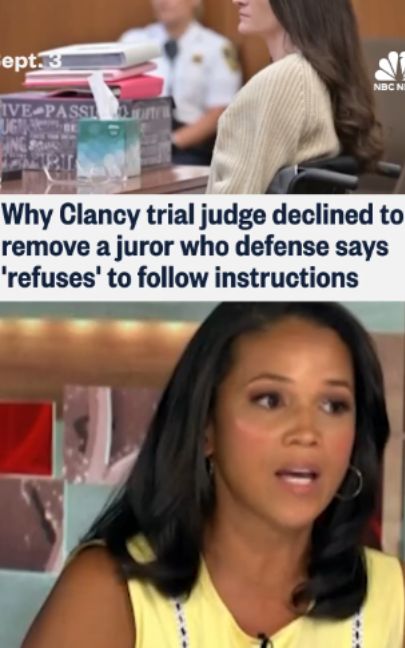
On September 4, 2026, Judge William Sullivan declared a mistrial in the case of Lindsay Clancy, the mother accused of strangling her three children, after the jury failed to reach a unanimous verdict for the third time. Within minutes, feeds turned into a courtroom of their own.
This is the part that matters: nobody is neutral. The clips blowing up right now are not really about the law. They are about the impossible question underneath it, and the fact that millions of people cannot agree on what they feel.
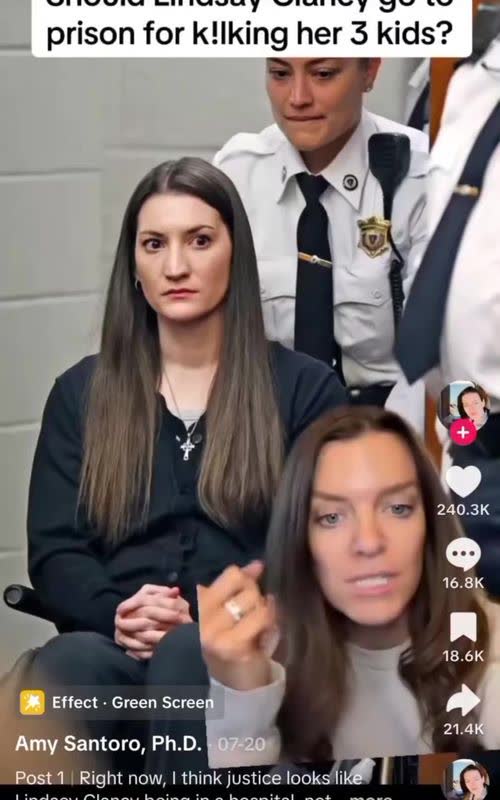
One side sees a woman in the grip of postpartum psychosis, a system that failed a mother in crisis, and a tragedy no verdict can undo. The other sees three children who are gone and a defendant who should answer for it. Those two camps are talking past each other in every comment section, and creators know it.
The biggest emotional lightning rod is the polarized public sentiment cluster, and the numbers show why it dominates the conversation. Those 15 videos pulled 15,298,607 views, 1,104,635 likes and a staggering 76,840 comments, the highest comment count of any micro-trend here. That is the sound of people fighting, not scrolling.
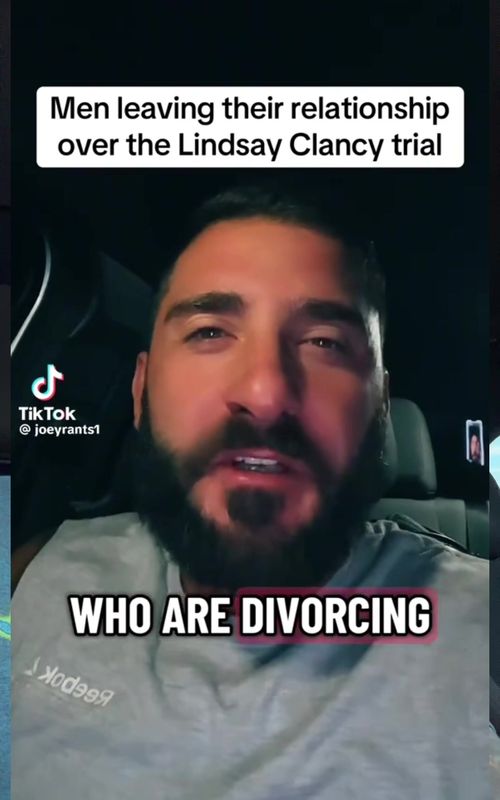
You can feel the divide in the framing itself: direct-to-camera rants, street interviews capturing wildly opposing takes, and "us vs them" hooks pitting women supporting women against critics demanding accountability. The empathy videos and the outrage videos are chasing the exact same audience, and both keep winning.
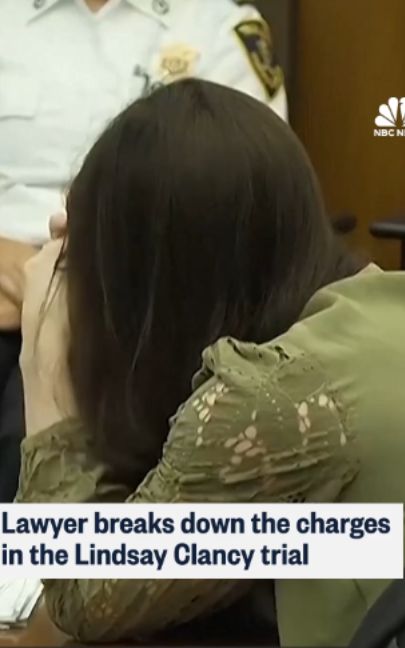
Then there is the news shock. The straight-up mistrial coverage exploded, led by NBC News, whose clip hit 6,794,983 views, the single biggest post in the whole dataset. TMZ landed 1,790,001 views, CBS News 1,776,023 views, and CNN 1,214,981 views, with New York Post close behind at 1,146,933 views. Creator reactions rode the same wave: one post from jennalynn468 reached 3,181,062 views and another from berryclipsedits hit 2,539,376 views.
The formal mistrial reaction cluster, ranked first among the micro-trends, gathered 18 videos for 7,409,185 views, 77,247 shares and 17,278 comments. Defense attorney Kevin Reddington, granted one hour to appeal the mistrial decision, became a recurring face in the breaking coverage, and "holdout juror" speculation became its own genre overnight.
What is fascinating is how people are trying to find certainty in a case that refuses to give any. That hunger drove the courtroom body language cluster to 10,900,160 views across just 6 videos, one of the highest view-per-post rates in the batch. Viewers want to read a flicker, a glance, a posture, and decide guilt or innocence for themselves.
The more sober lane is thriving too. Legal expert breakdowns explaining reasonable doubt and courtroom procedure racked up 11,005,570 views across 10 videos, proof that a chunk of the audience genuinely wants to understand, not just react. And the scrutiny has widened: videos questioning Patrick Clancy's role and timeline drew 10,656,565 views from 6 videos, feeding alternative theories.
Even the rawest material found reach. The 911 and dispatch audio cluster, only 3 videos, still pulled 859,381 views, a visceral pull nobody wants to admit they clicked.
Here is how we know all this. A Virlo content research agent collected and analysed real videos across TikTok, Instagram and YouTube on the Clancy case, clustered them into micro-trends, and surfaced the outliers, the posts far outperforming their creators' usual reach. In total it analysed 240 videos with an average virality score of 0.69, tracking 52 fresh videos in a single day at a median of 338,528 views each, drawn from 117 standout exemplars.
That volume is the story as much as any single clip. This is not a niche true crime corner. It is a mainstream moral argument playing out in real time.
The desk's read
A mistrial is legal limbo, but online it functions like an open verdict everyone gets to render themselves, and that is exactly why the numbers keep climbing. Expect the empathy camp and the accountability camp to harden further before any retrial date lands, because right now the algorithm rewards conviction, not doubt.

Co-Founder of Virlo
Deniz Sancar is a co-founder of Virlo and an entrepreneur scaling companies by leveraging AI. He writes about the moments breaking out across TikTok, Reels and YouTube Shorts, and the data behind why they go viral.