Singapore's Gas Cut Sparks a Viral Wave of Energy Takes Across Feeds
A small supply tweak turned into a big conversation, and creators turned geopolitics into scroll-stopping content.
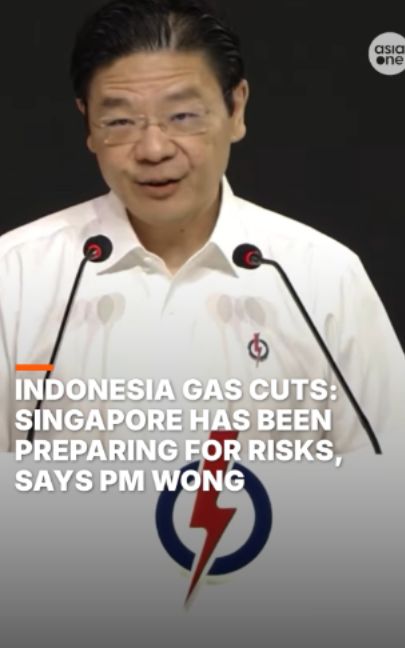

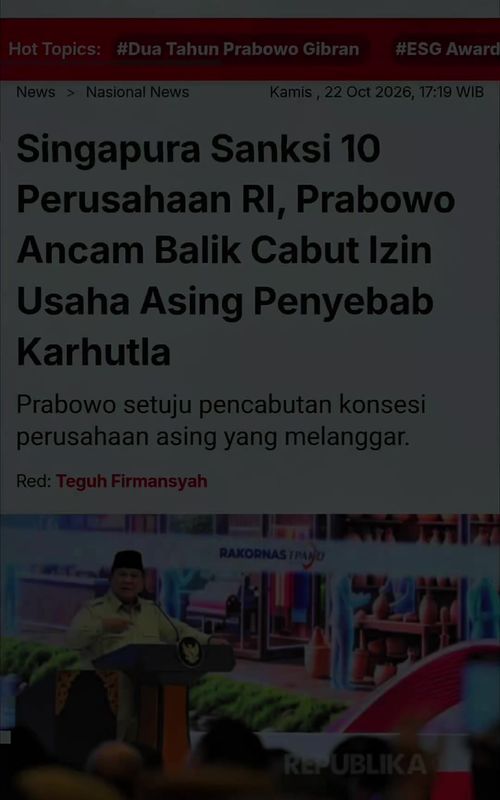
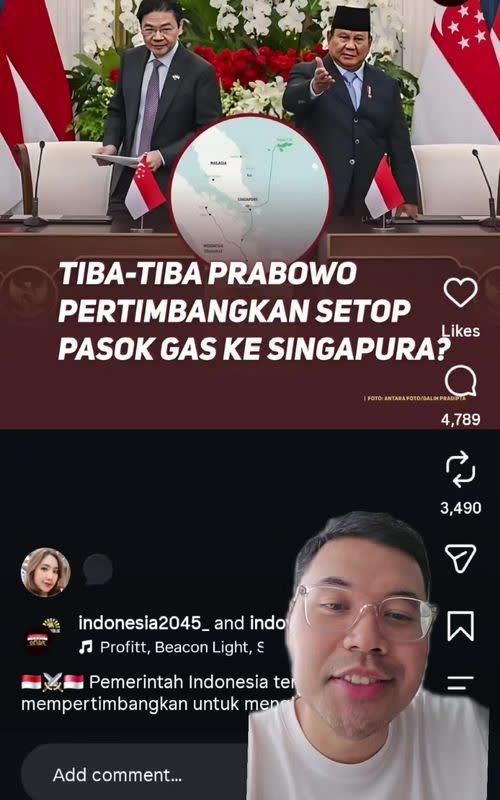
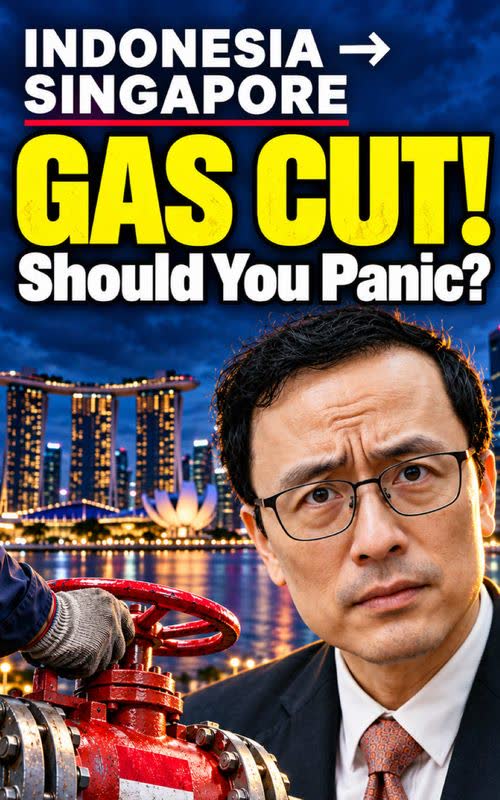
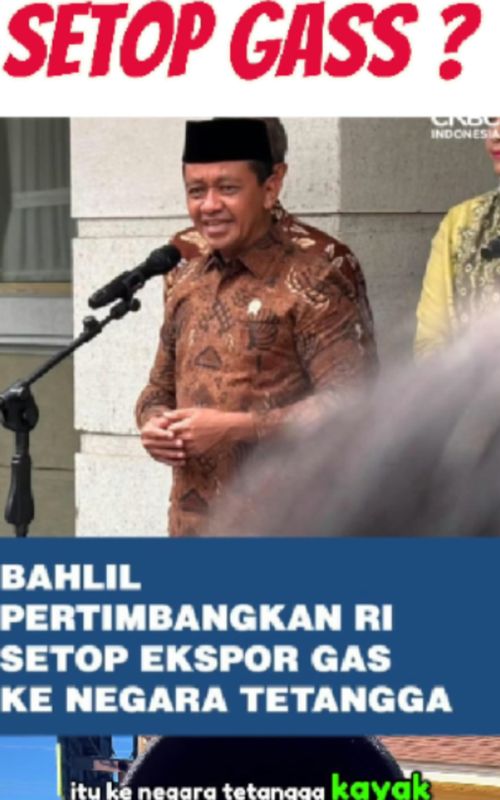

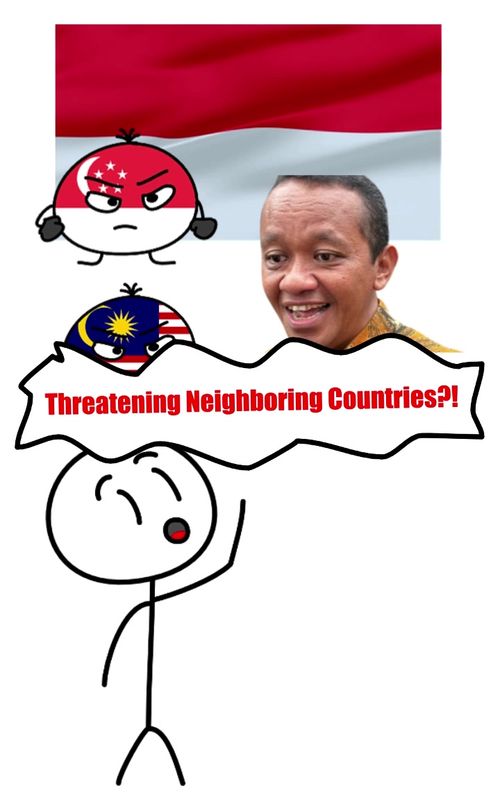
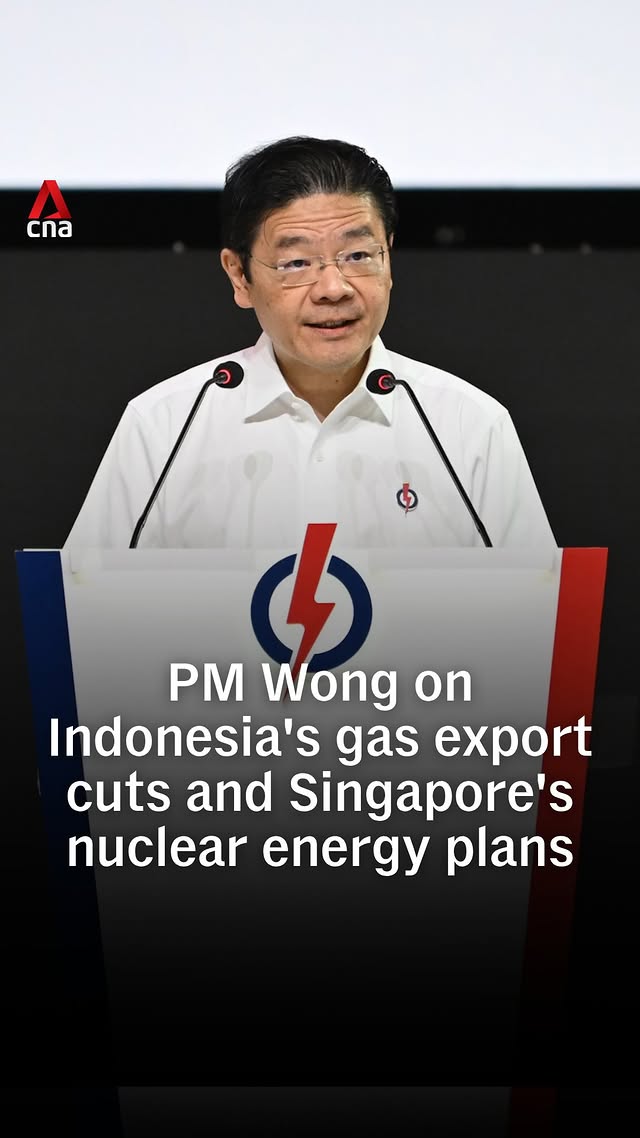

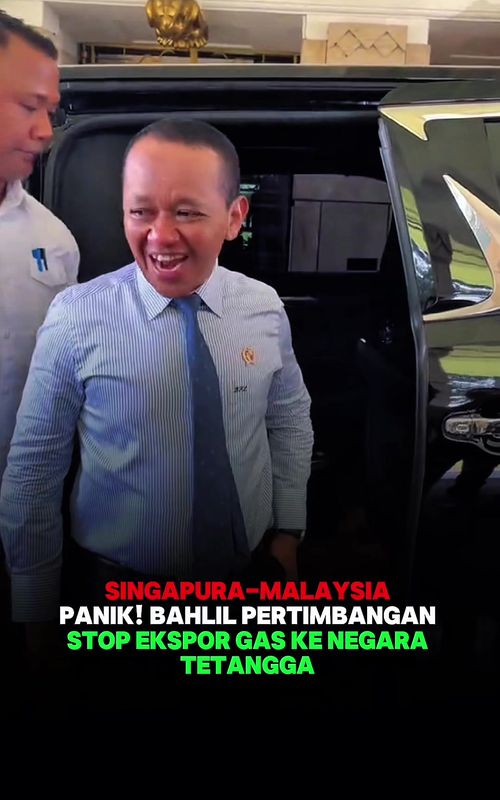
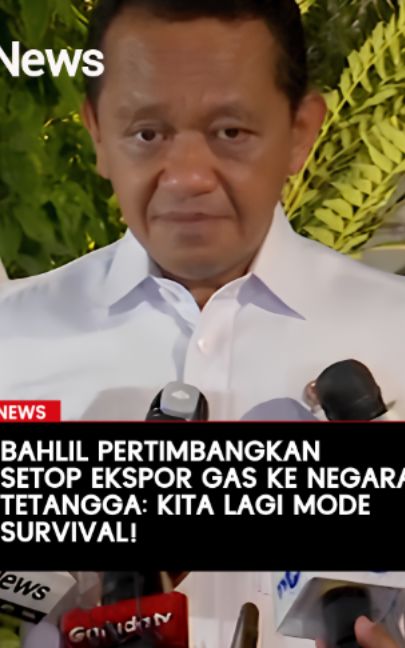
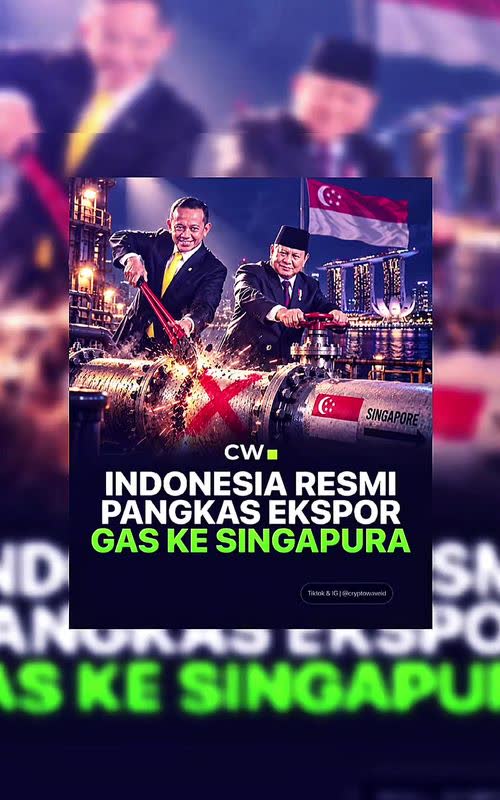
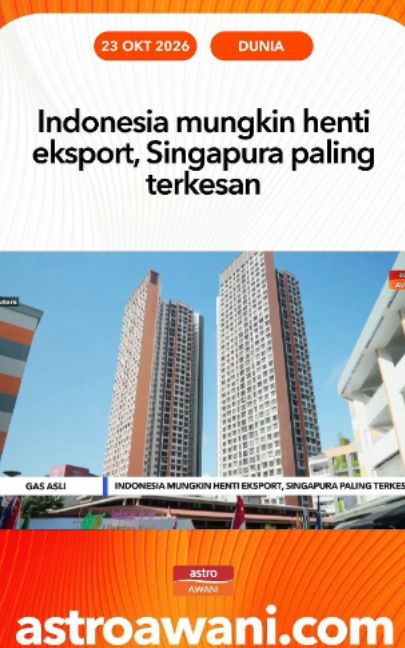
A single line in an energy update became the story everyone wanted to talk about. On October 24, 2026, Indonesia started reducing natural gas exports to Singapore by 31 million standard cubic feet per day to prioritise its own electricity needs. Within hours, feeds filled with reactions, explainers and hot takes.
What is striking is not panic. It is fascination. People are not doomscrolling over a blackout that never came. They are leaning into the bigger question underneath: how fragile is the energy that quietly powers a modern city.
Singapore's Minister for Energy, Trade and Industry, Tan See Leng, moved fast to cool the temperature, stating the cut represents less than 2% of Singapore's total daily gas demand and that electricity prices will not be significantly affected in the short term. That reassurance did not end the conversation. It fuelled it.
The mood: curiosity, not crisis
The sentiment running through these videos is a mix of unease and genuine appetite to understand. Viewers want the plain-English version of what happens when a neighbour decides it needs its own gas more than you do.
Creators are meeting that demand with confidence. The winning tone is direct and opinionated. Bold declarations like "No energy = no growth" are landing because they frame a dry supply figure as something personal: your prosperity, your bills, your country's place in the world.
The biggest emotional hook is vulnerability. One cluster of content zeroes in on Singapore's position as a small, strategically important nation squeezed between major powers. It poses pointed questions about national identity and leans on evocative language like "perfect bridge" and "painful question" to create drama. That theme pulled 35825 total views and a high comment load of 194, proof that identity and anxiety drive people into the replies.
Then there is the calm counterweight: the explainer crowd. These creators promise clarity, sometimes in a strict time limit, breaking down intimidating concepts with minimal jargon. That simplified explainer theme racked up 430 total comments across just 2 videos, the chattiest ratio of the lot. People genuinely want to be taught.
The data behind the story
The reach here is real. The top performer, a clip from AsiaOne, pulled 1719106 views, published October 25, 2026. Right behind it sat a post from creator ahmadfaezal4 with 1481645 views, and another from xyzbac354 at 986394.
The news desks showed up too. A reel from Channel News Asia drew 518285 views, while its TikTok counterpart hit 481591. Across the whole topic, the agent logged 124 exemplars, with 63 videos moving today at a median of 43507 views each.
When the clustering settled, three micro-trends rose to the top. Geopolitical Energy Analysis and Economic Impact ranked first with the highest confidence at 0.95, spanning 5 videos and 59893 total views. It also carried the strongest average virality score at roughly 0.2855646805421389, the clearest signal that bold economic framing is what travels.
The tactics repeat across the winners: connect a specific event like Iran redirecting LPG exports to broader market impacts, explain niche terms such as "Oil Shut-Ins" with clean visuals, and frame energy as a direct threat to national prosperity or consumer prices. Even an industry giant joined in, with Schneider Electric posting into the explainer lane and pulling 6537 views on the strength of "Energy Intelligence" messaging.
Timing tells its own small story. Engagement clustered around midday and late afternoon, with peak hours pointing to a viewership that consumes news analysis during breaks or after work.
How we know
A Virlo content research agent collected and analysed real videos across TikTok, Instagram and YouTube for this topic, clustered them into micro-trends, and surfaced the outliers, meaning posts far outpacing their creator's usual reach. The analysis covered 11 videos in its batch, with an average virality of 0.21 across the set, and flagged content that did not belong before ranking what did.
The desk's read
This is the template for how a technical policy footnote becomes mainstream content: one unsettling number, one reassuring official line, and a swarm of creators translating the gap between them. Expect energy to keep performing as a reliable viral vertical, because it marries global stakes to personal fear about the bill. The creators who win next will be the ones who explain fastest and sound the most certain.
Share this story
A ready-made post with the headline and the Virlo data, for any app.

Co-Founder of Virlo
Deniz Sancar is a co-founder of Virlo and an entrepreneur scaling companies by leveraging AI. He writes about the moments breaking out across TikTok, Reels and YouTube Shorts, and the data behind why they go viral.