Singapore's Energy Jitters Became the Internet's Most Unexpected Must Watch
A party conference about gas supplies and nuclear power is quietly racking up millions of views, and the comments say people are more nervous than they let on.
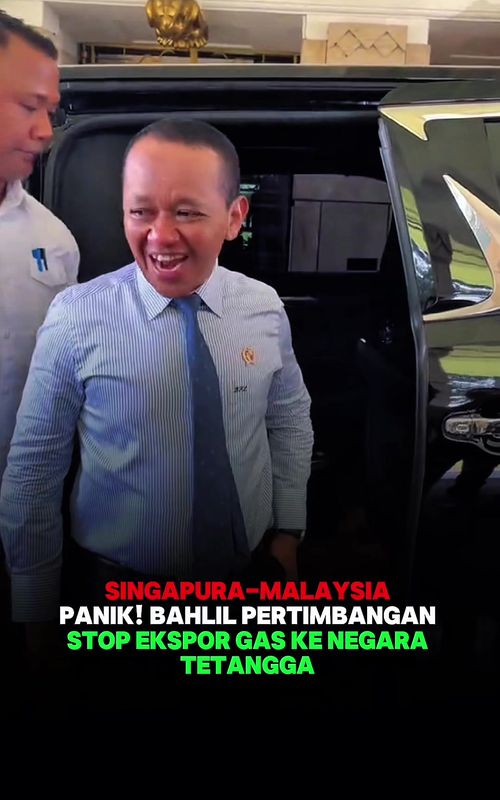
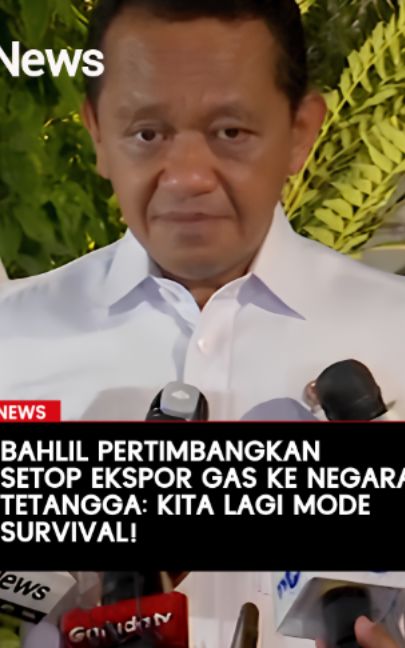
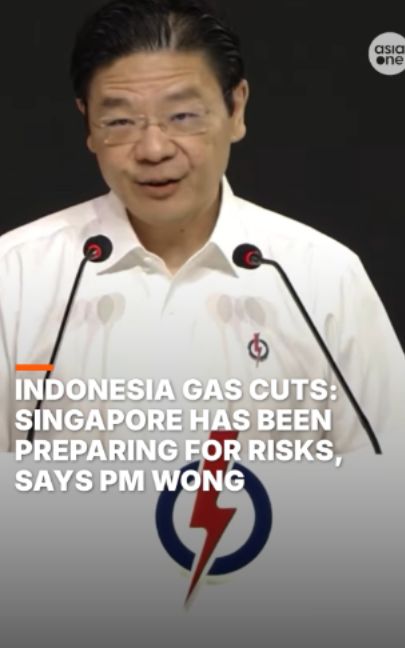
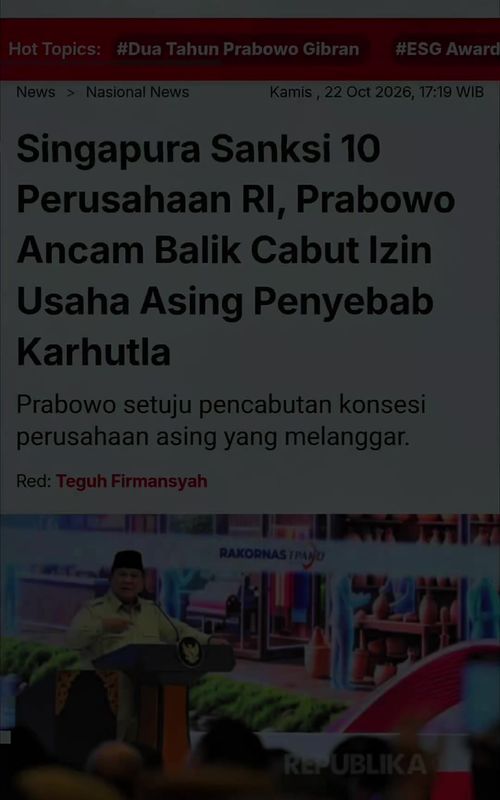
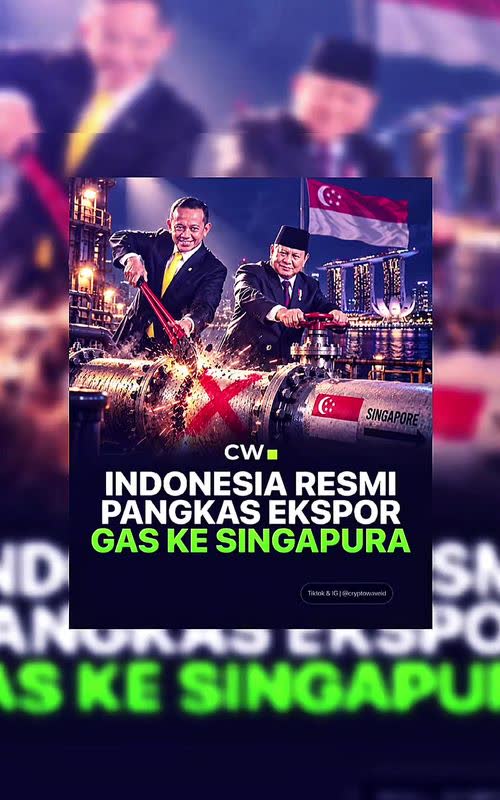
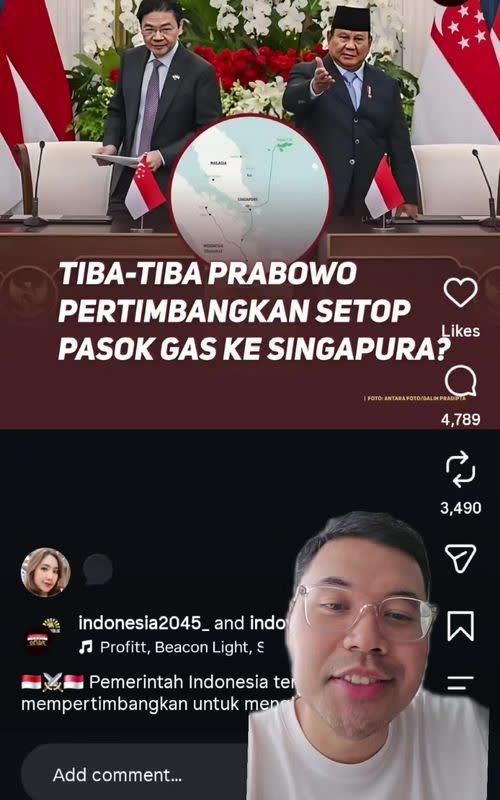
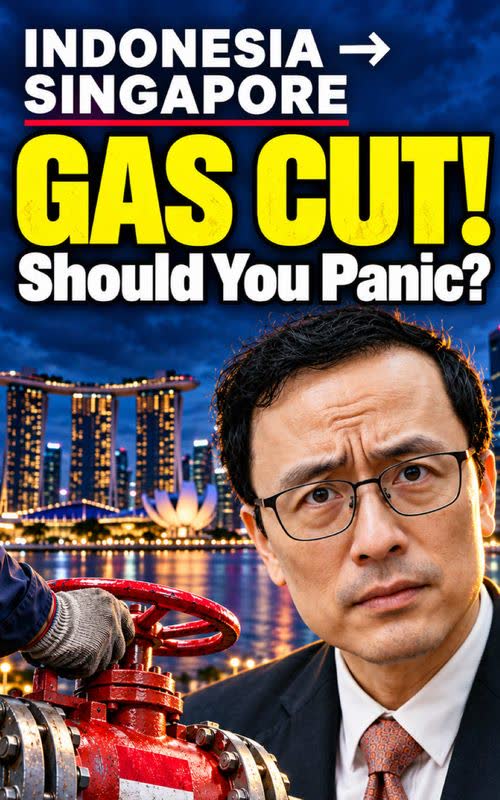
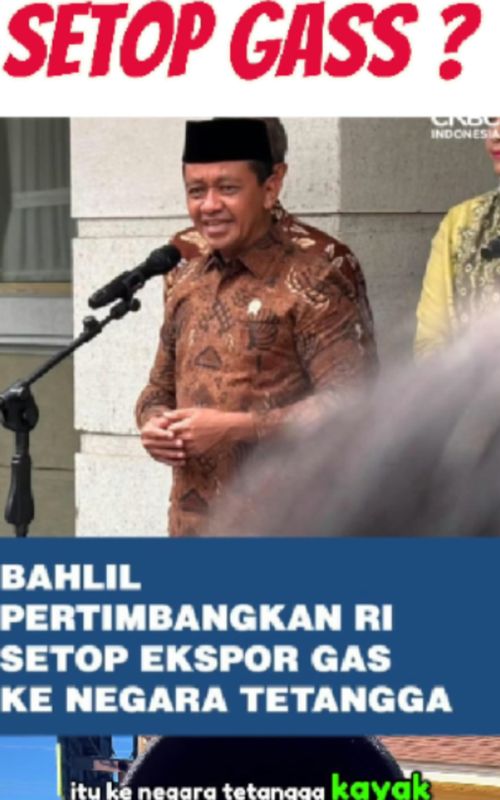

A biennial party conference should be a snooze. Instead, Singapore's energy future has turned into one of the most-watched political stories bouncing around short-form feeds right now, and the reason is simple: people are genuinely rattled.
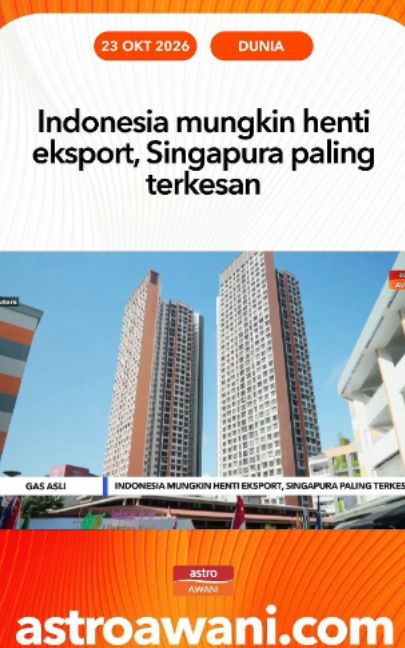
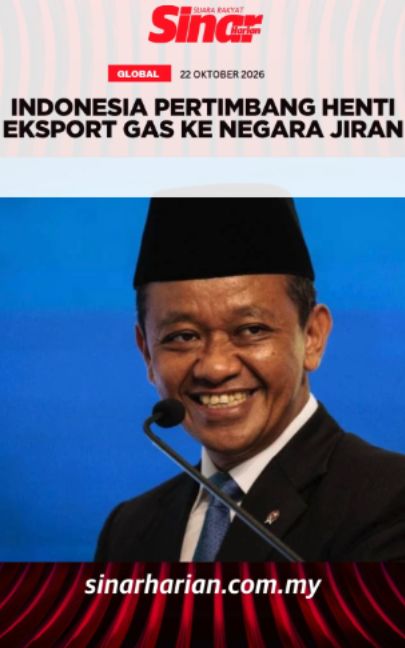
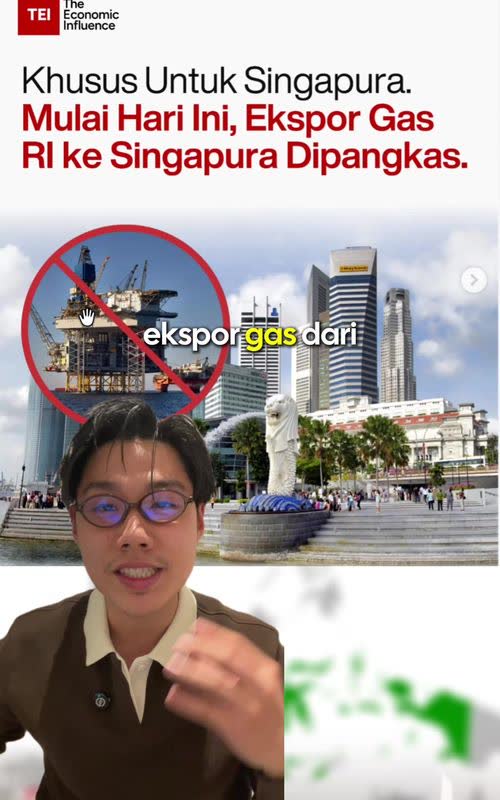
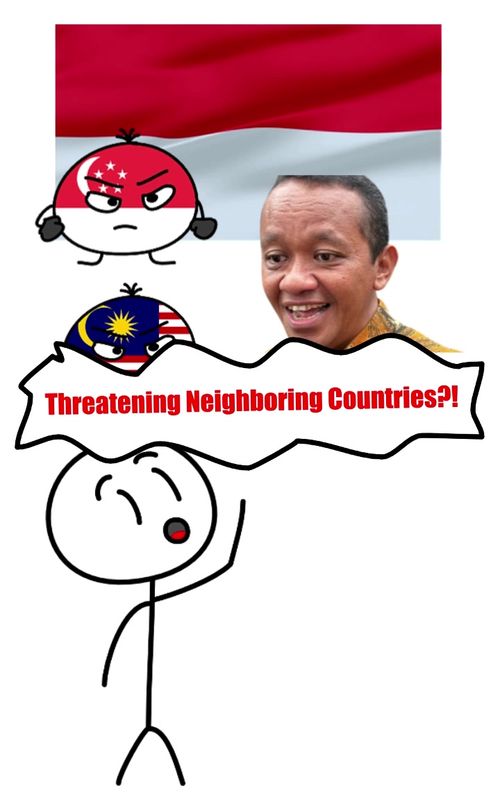
On October 25, 2026, Prime Minister Lawrence Wong stood before the People's Action Party and told the room something politicians rarely say out loud: the hard problems are coming, and energy security is one of them. He pointed to Indonesia's decision to cut gas exports to Singapore. The official line is reassuring, it affects less than 2% of the country's daily gas demand. But the mood in the clips covering it is anything but relaxed.
That is the real story here. The gap between the calm numbers and the anxious reaction.
The feeling underneath the feed
Scroll the videos and you feel it. People are latching onto the word "security" and running with it. The conversation is less about percentages and more about a deeper unease: what happens if a neighbour can turn off the tap, even a little? The idea that a stable, hyper-planned city could have a vulnerability it does not fully control is the hook that keeps people watching and arguing.
Wong's mention of nuclear energy as a cleaner power source poured fuel on that. It splits the room instantly. Some see it as the forward-thinking answer, a country refusing to be caught flat-footed. Others see the word "nuclear" and go straight to worry. Either way, nobody scrolls past.
That tension, reassurance from the top versus genuine nerves at the bottom, is why a policy speech is performing like entertainment. It is relatable fear dressed up as current affairs.
The numbers that prove it
The reach is not small. The top clip, from creator justtgabrielreyandcw, pulled 1,213,507 views, and the same account landed another at 902,724 views. Right behind it, officialinews hit 1,050,653 views and asiaone cleared 1,037,097 views.
The momentum is broad, not a one-post fluke. A clip from xyzbac354 reached 960,504 views, rivelinowardhana notched 797,856 views, and 1m65premiummall pulled 725,332 views. Across the cluster, Virlo logged 107 exemplar videos tied to this topic.
And this is still moving. There were 52 fresh videos in a single day, with a velocity median of 64,533 views per clip. For a story about gas terminals and conference speeches, those are not small numbers.
The outliers are telling too. Most of these creators are not verified mega-accounts, yet they are pulling seven-figure views on a political story. That is the signature of a topic that is outrunning its usual audience.
Why the serious angle wins
There is a second layer worth noting. One of the micro-trends Virlo surfaced is pure expert commentary. A clip from the World Economic Forum, featuring energy specialist Roberto Bocca, leaned into the "news commentary" format, framing energy transition as a system under "growing pressure." It is a different flavour from the viral news clips, but it rides the same wave: people want authoritative voices explaining why they should care.
That micro-trend scored a 0.95 confidence rating in Virlo's analysis, built on tactics like featuring institutional experts and hammering keywords like "resilience" and "security." The lesson is clear. When the public is anxious, credibility converts. Trust becomes the content.
How we know
A Virlo content research agent collected and analysed real videos across TikTok, Instagram and YouTube on this topic, clustered them into micro-trends, and flagged the outliers, the posts far outperforming what their creators normally reach. The figures above come straight from that snapshot.
The desk's read
Energy security just became kitchen-table content, and that is the shift. When a sub 2% supply cut can spark millions of views, it signals the public is primed to react hard to anything touching power, prices, or dependence. Expect every future energy announcement, nuclear especially, to land not as policy but as a viral flashpoint.
Share this story
A ready-made post with the headline and the Virlo data, for any app.

Co-Founder of Virlo
Deniz Sancar is a co-founder of Virlo and an entrepreneur scaling companies by leveraging AI. He writes about the moments breaking out across TikTok, Reels and YouTube Shorts, and the data behind why they go viral.