Weinstein Gets 15 Years and the Internet Turns His Sentencing Into a Reckoning
A retrial confirmed his guilt, a courtroom broke into raw emotion, and short-form feeds turned the moment into commentary, memes and #MeToo catharsis.


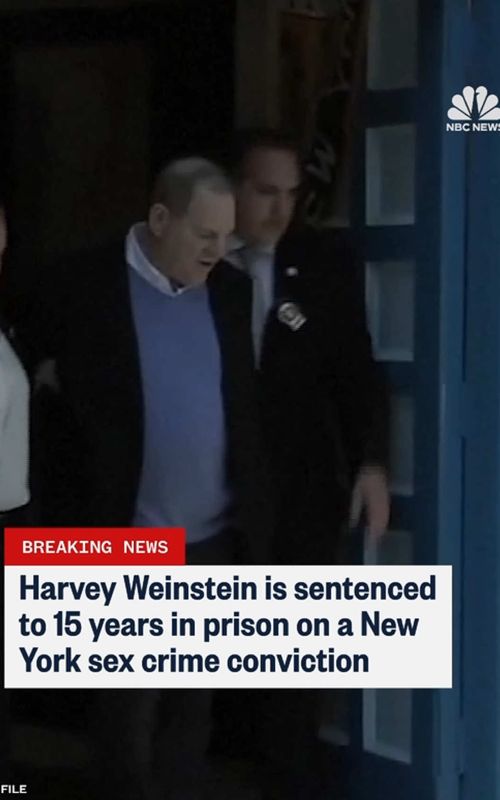
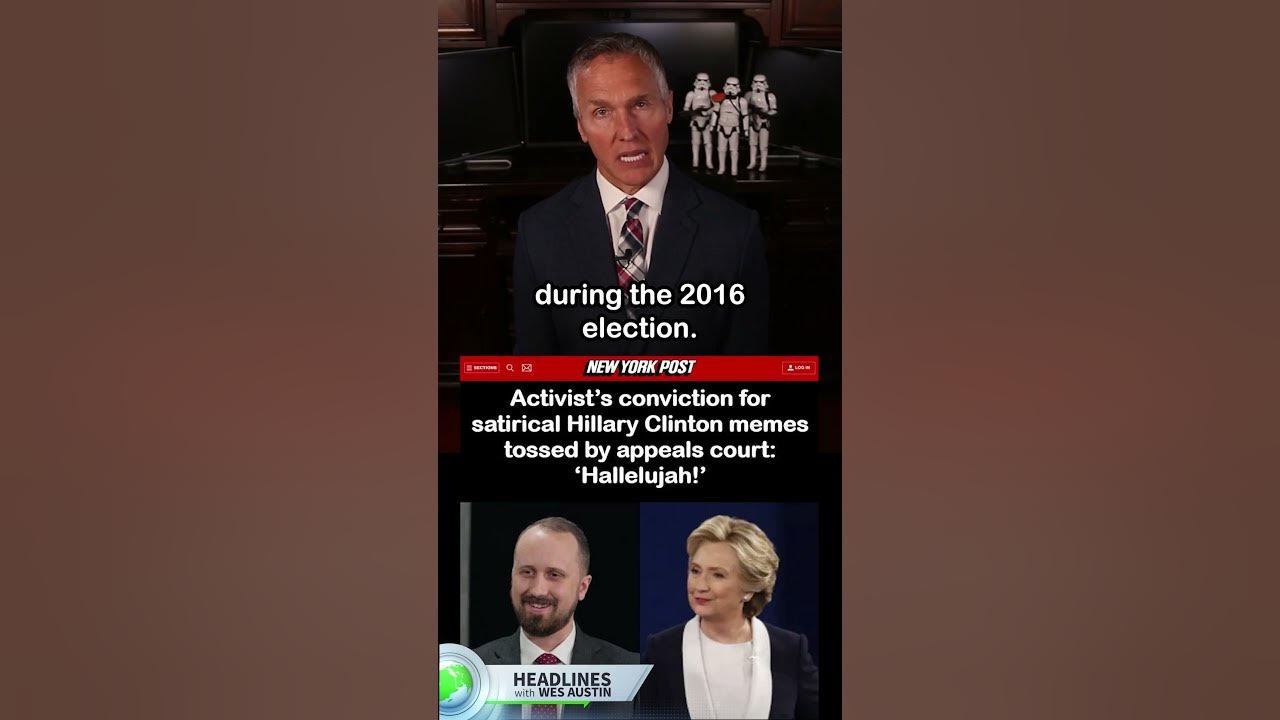
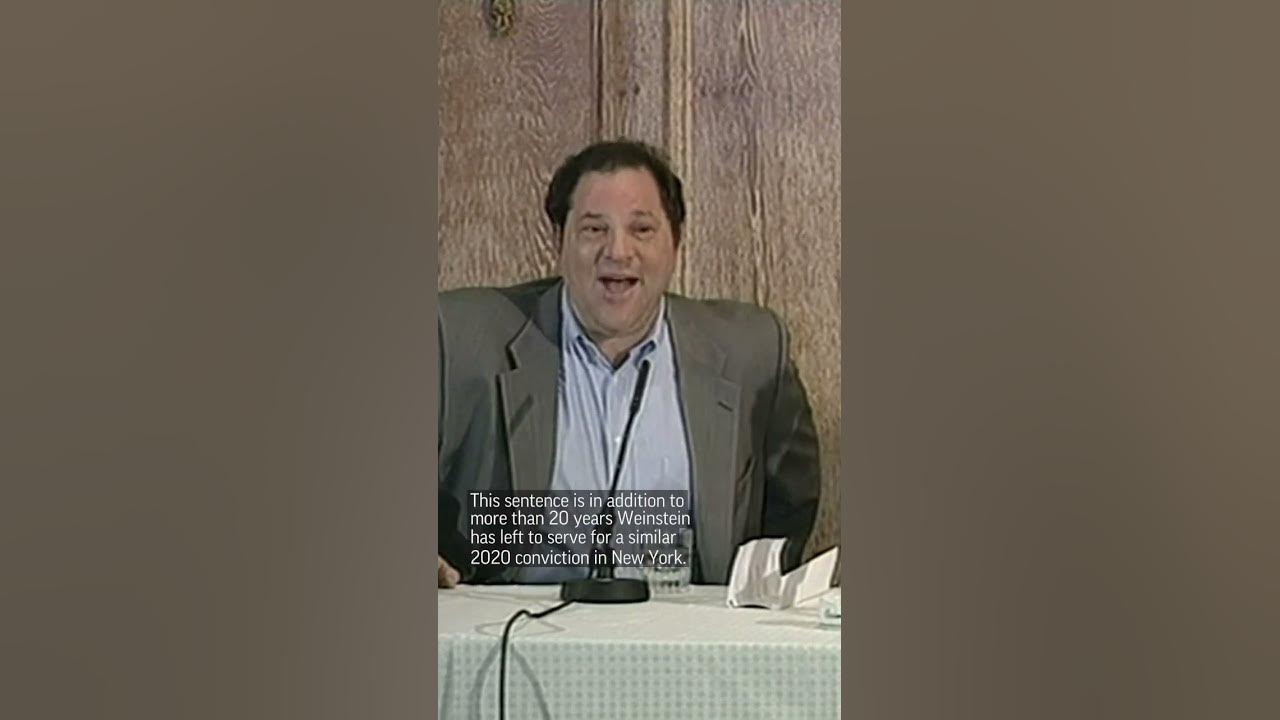
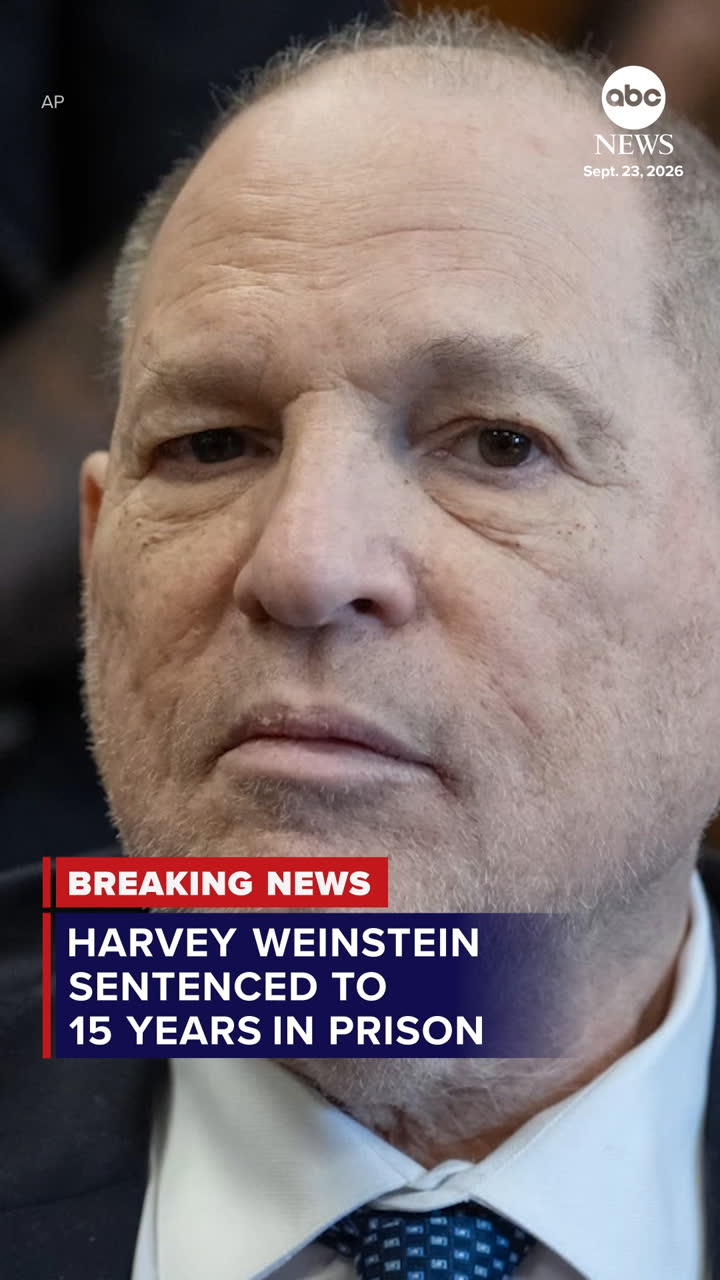
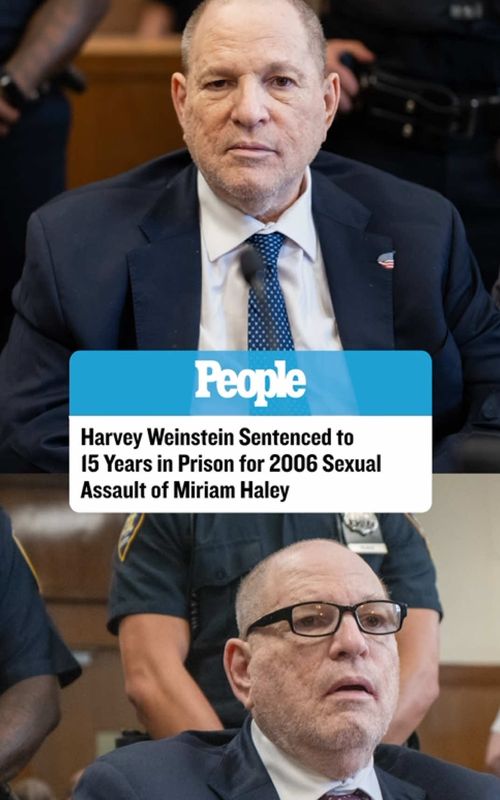

On September 23, 2026, Harvey Weinstein was sentenced to 15 years in prison for sexually assaulting former production assistant Miriam Haley in 2006. It was the closing chapter of a retrial that reconfirmed his guilt after an overturned conviction, and within hours it wasn't just a news headline. It was a feed-wide moment.
The mood online is a strange, potent mix: relief, vindication, dark humor, and a kind of collective exhale from people who have watched the #MeToo era stretch on for years without a clean ending.
The real story here is sentiment. People aren't just reposting the verdict. They're processing it.
Some of the loudest reactions cluster around Haley's emotional testimony and Weinstein's flat denial of the charges. Clips of that tension, the victim speaking and the defendant refusing to yield, are the ones landing hardest, because they turn an abstract legal outcome into something you can feel in your chest.
That emotional payload is exactly what the data confirms. The Courtroom Drama & Defendant Reactions micro-trend, built on raw defendant expressions and victim impact statements, pulled 26,853,493 total views across just 6 videos, and carried the highest average virality score in the whole cluster at 0.6593. When justice feels visible, people can't look away.
The biggest engine, though, is straight news appetite. The Harvey Weinstein Legal Updates & Analysis trend ranked number one with 22 videos and a massive 31,827,762 total views, alongside 2,389,579 total likes and 15,368 comments. This is a public that wants the breakdown: what the retrial meant, why the earlier conviction fell apart, and what 15 years actually looks like.
And then there's the other, weirder half of the conversation. As the topic exploded, it collided with a wave of explainer culture. The Linguistic & Meme Trend Explainers micro-trend racked up 8,022,687 total views across 10 videos, as creators dissected the language of court proceedings, the phrasing of verdicts, and how public reaction gets encoded into internet shorthand. It even bled into a smaller Linguistics Degree & Career Insights pocket, five videos and 116,983 total views, proof that a serious news event can drag adjacent curiosities along for the ride.
That's the cultural shift underneath it all. Heavy real-world reckonings now get metabolized through the same formats we use for everything else: the explainer, the reaction clip, the dramatic text overlay. It can read as flippant. It's mostly how a generation makes big, painful news legible.
The outliers tell the same tale. A short from YouTube creator @verticalscope leads the pack with 2,465,136 views, dwarfing the field. On the news side, TikTok accounts moved fast: @abc7la posted the day of sentencing and hit 596,159 views, NBC News landed 314,311 views, and an ABC News reel on Instagram drew 119,974 views. People and Fox News both cleared 69,741 and 54,450 views respectively as the story kept compounding.
Momentum was immediate and broad. The trend logged 6 videos in a single day at a velocity median of 94,858 views, and the wider analysis swept 167 videos total. Big verified outlets and tiny creators alike were feeding the same fire.
How we know all this: a Virlo content research agent collected and analyzed real videos across TikTok, Instagram and YouTube tied to the Weinstein sentencing, clustered them into micro-trends, and surfaced the outliers, meaning posts far outperforming their creator's usual reach. That's how a single account with 20,802 followers ended up driving 14,338,816 views on one clip.
What's striking is who is winning attention. It isn't only the legacy newsrooms. The top creator in the number one trend is a small account whose one video out-earned outlets with millions of followers, a reminder that on short-form, the emotion of the moment matters more than the size of the byline.
The Desk's Take
This is what accountability looks like in 2026: a verdict that doubles as content, mourned, memed, and explained all at once. Expect the courtroom-reaction format to keep outperforming polished news packages, because raw human emotion will always beat a press release. The Weinstein saga may be legally closing, but its feed-life is just getting started.

Co-Founder of Virlo
Jaife Esienna is a co-founder of Virlo, where he helps ecommerce brands, GTM teams, and marketing agencies turn viral short-form video data into seven-figure content strategies. He writes about short-form video, content strategy, and the data behind what actually goes viral.